
Many patients believe more treatments always produce better results, but effective patient education in medical aesthetics teaches the opposite. True expertise emphasizes anatomical precision, conservative pacing, and personalized treatment strategies that respect your facial structure and skin health. When you understand what treatments can and cannot do, you make safer, smarter decisions that deliver natural, lasting outcomes instead of overdone appearances.
Table of Contents
- Introduction To Patient Education In Medical Aesthetics
- How Anatomical And Medical Expertise Enrich Patient Education
- Impact Of Patient Education On Safety And Complication Prevention
- Psychological Benefits And Managing Patient Expectations
- Integrating Long-Term Skin Health Into Patient Education
- Common Misconceptions About Patient Education In Aesthetics
- Choosing The Right Aesthetic Provider Based On Education Commitment
- Learn More About Medically Guided Aesthetic Treatments In Raleigh
- Frequently Asked Questions
Key takeaways
| Point | Details |
|---|---|
| Education reduces complications | Informed patients experience up to 50% fewer complications through better preparation and adherence. |
| Anatomical knowledge matters | Medical expertise ensures treatments respect facial structure for safe, precise, natural results. |
| Realistic expectations improve satisfaction | Understanding treatment limits prevents disappointment and supports gradual, sustainable improvements. |
| Long-term skin health is essential | Education extends beyond procedures to include sustainable skincare routines and maintenance strategies. |
| Provider commitment signals quality | Clinics prioritizing structured education deliver safer, more satisfying experiences than those focused on quick sales. |
Introduction to patient education in medical aesthetics
Patient education in aesthetics is an informed dialogue between you and your provider that clarifies treatment options, risks, benefits, and realistic outcomes. This collaborative process ensures you actively participate in planning your care rather than passively receiving instructions. Medically guided aesthetic philosophy prioritizes anatomical understanding and conservative approaches over aggressive, trend-driven interventions.
Many patients arrive confused by overhyped quick fixes promoted on social media or through marketing campaigns lacking medical context. Without proper education, you might pursue treatments that do not match your goals, anatomy, or skin health needs. This confusion leads to unrealistic expectations, safety risks, and dissatisfaction with results that could have been prevented through transparent communication.
Effective patient education delivers multiple benefits:
- Clearer understanding of what treatments can realistically achieve for your specific concerns
- Enhanced safety through thorough pre-treatment preparation and post-treatment care adherence
- Better long-term satisfaction because your expectations align with actual outcomes
- Stronger trust in your provider built on transparency and shared decision-making
When you receive comprehensive education, you feel empowered to ask questions, voice concerns, and collaborate on a treatment strategy designed for longevity. This partnership approach reduces pressure, builds confidence, and ensures every decision supports your natural appearance and overall skin health.
How anatomical and medical expertise enrich patient education
Deep understanding of facial anatomy transforms patient education from generic advice into personalized, precise guidance. Medical providers who study bone structure, muscle movement, fat compartments, and vascular pathways design treatments that enhance your features without disrupting natural balance. This anatomical knowledge directly informs what you learn during consultations, helping you understand why certain approaches work better for your unique facial architecture.
Medical oversight ensures every treatment recommendation considers safety, efficacy, and individual variability. Providers with medical training recognize contraindications, anticipate potential complications, and adjust techniques based on your health history. This expertise supporting medical providers in aesthetics translates into education that prepares you thoroughly rather than simply promoting products or procedures.
Structured education rooted in anatomy leads to measurably better patient outcomes. When you understand how fillers integrate with facial fat pads or how neurotoxins affect specific muscle groups, you make informed choices aligned with your goals. Research comparing educational approaches in medical versus non-medical settings shows that medically trained providers deliver more comprehensive, accurate information that reduces risks and improves satisfaction.
Non-medical education approaches often lack this depth, focusing on product benefits without addressing anatomical considerations or medical risks. This gap increases the likelihood of complications, unnatural results, and patient regret. Choosing providers who integrate anatomy into every conversation ensures your education supports truly informed decision-making.
Pro Tip: During your consultation, ask your provider to explain how facial anatomy specifically influences your recommended treatment plan. Their ability to discuss muscle layers, vascular zones, or structural support reveals their commitment to education and precision.
Impact of patient education on safety and complication prevention
Patient education directly reduces complication rates by equipping you with knowledge and awareness that prevent adverse outcomes. Studies demonstrate that procedural complication rates drop by 30% to 50% when patients receive effective education interventions before and after treatments. This dramatic improvement stems from better preparation, adherence to care instructions, and early recognition of warning signs.
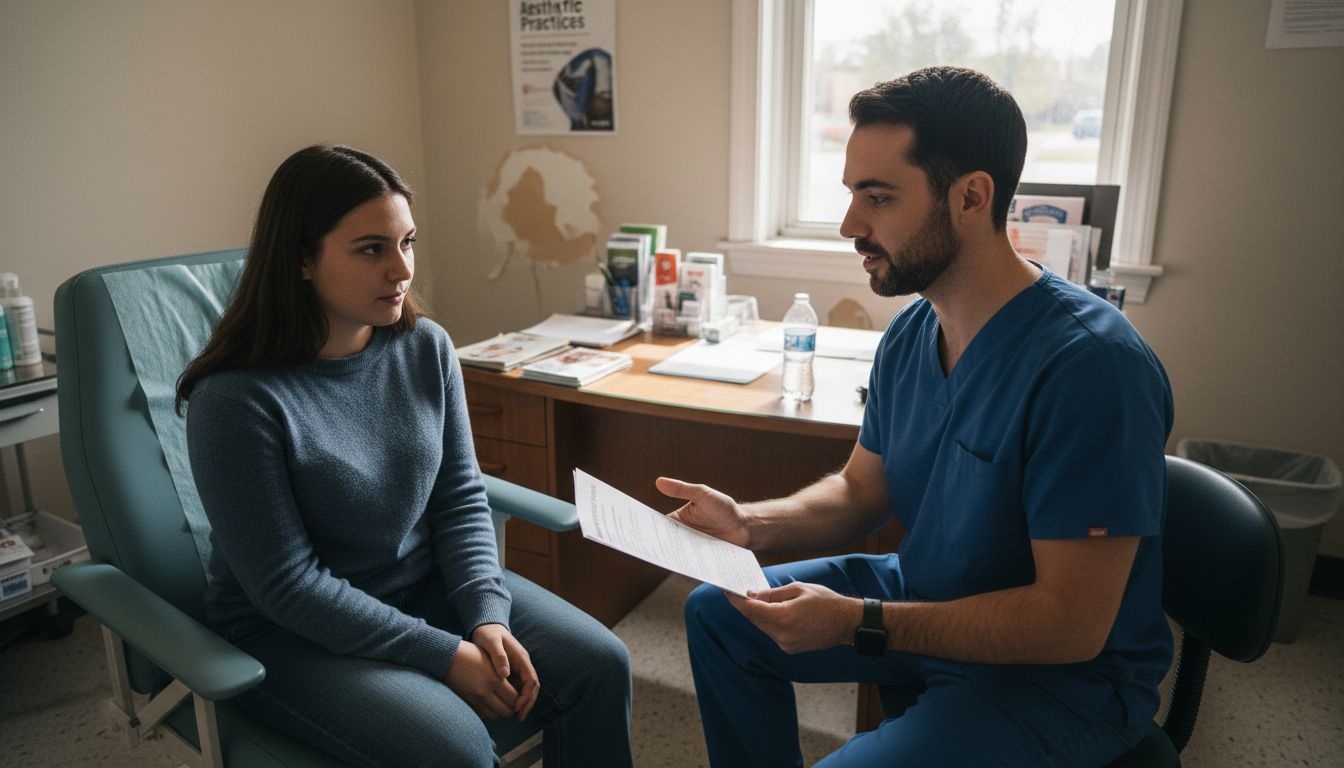
Risk awareness forms a cornerstone of safety-focused education. When you understand potential side effects like bruising, swelling, or rare complications, you follow pre-treatment guidelines more carefully. Clear instructions about avoiding blood thinners, staying hydrated, or arranging transportation reduce preventable issues that compromise results or safety.
Educated patients recognize early signs of adverse effects and seek timely medical attention. Knowing what constitutes normal healing versus concerning symptoms enables faster intervention if problems arise. This awareness transforms you from a passive recipient into an active participant in your own safety.
Effective patient education empowers you to protect yourself through informed choices, diligent preparation, and proactive communication with your provider.
Key safety benefits delivered through comprehensive education include:
- Reduced infection rates through proper post-treatment hygiene practices
- Lower incidence of vascular complications from understanding warning signs
- Decreased bruising and swelling via pre-treatment preparation protocols
- Faster identification of adverse reactions requiring medical intervention
- Improved overall treatment outcomes through adherence to recovery guidelines
When your provider prioritizes education, they invest in your safety and satisfaction. This commitment demonstrates that your wellbeing matters more than quick sales or maximizing procedure volume.
Psychological benefits and managing patient expectations
Patient education profoundly impacts your emotional wellbeing by shaping realistic, achievable expectations before treatments begin. When you understand what results are possible given your anatomy, skin condition, and treatment limitations, you avoid disappointment and appreciate gradual improvements. This psychological preparation reduces anxiety and builds confidence in your decision-making process.
Understanding the psychological dimensions of aesthetics enhances your overall experience. Treatments affect not only your appearance but also how you perceive yourself and interact with others. Providers who acknowledge these emotional aspects create space for honest conversations about motivations, concerns, and desired outcomes without judgment or pressure.
Neuroaesthetics, the study of how we perceive and respond to beauty, links emotional wellbeing to treatment satisfaction. Research shows that engagement with neuroaesthetic-informed education increases adherence by 25% and improves psychological satisfaction scores by 18%. When you understand the science behind aesthetic preferences, you make choices aligned with your authentic goals rather than external pressures.
Educated patients demonstrate better adherence to treatment plans because they understand the rationale behind each step. You are more likely to complete multi-phase protocols, attend follow-up appointments, and maintain recommended skincare routines when you grasp how these actions contribute to long-term success.
Pro Tip: Openly discuss your aesthetic goals, concerns, and motivations with your provider during consultations. This transparency enables personalized education that addresses your specific psychological needs alongside physical treatment planning.
Key psychological benefits of patient education:
- Reduced pre-treatment anxiety through knowledge and preparation
- Higher satisfaction rates when expectations align with realistic outcomes
- Stronger sense of control and agency in aesthetic decision-making
- Improved self-image rooted in informed, intentional choices
Integrating long-term skin health into patient education
Comprehensive patient education extends beyond immediate aesthetic improvements to encompass sustainable skin health strategies. Your provider should guide you toward skincare routines, lifestyle modifications, and maintenance protocols that preserve and enhance treatment results over months and years. This long-term perspective separates medically guided care from quick-fix approaches focused solely on instant gratification.
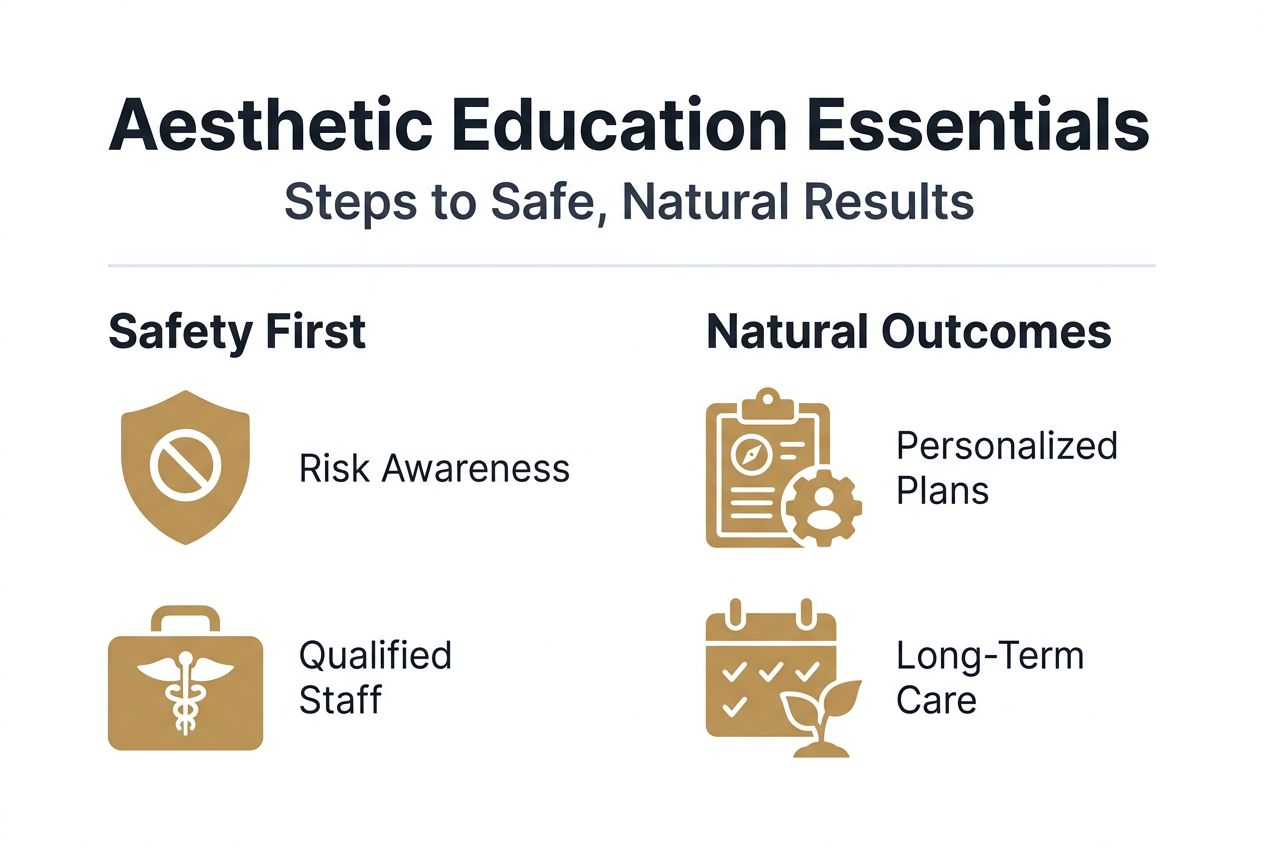
Sustainable skin health maintenance amplifies and extends the benefits of aesthetic treatments. Procedures like injectables or laser therapies produce optimal results when supported by proper daily skincare, sun protection, and periodic professional treatments. Education about these complementary practices ensures you maximize your investment and enjoy lasting improvements.
Patient adherence to post-treatment care instructions directly correlates with outcome durability. When you understand why certain products or habits matter, you commit to consistent routines that protect your skin and maintain treatment effects. This adherence transforms one-time procedures into components of a comprehensive, ongoing skin health strategy.
Steps for maintaining long-term skin health through medically guided skincare:
- Establish a daily routine with medical-grade cleansers, serums, and moisturizers tailored to your skin type and concerns.
- Apply broad-spectrum sunscreen every morning to prevent premature aging and protect treatment areas from UV damage.
- Schedule periodic professional treatments like chemical peels or microneedling to support cellular turnover and collagen production.
- Adjust your skincare regimen seasonally and as your skin changes with age, hormones, or environmental factors.
- Maintain regular consultations with your provider to assess progress, address new concerns, and refine your long-term strategy.
Education connecting treatment outcomes to daily habits empowers you to take ownership of your skin health. This partnership approach ensures results reflect your ongoing commitment rather than relying solely on periodic procedures.
Common misconceptions about patient education in aesthetics
Several persistent myths interfere with informed decision-making and prevent patients from fully benefiting from aesthetic treatments. Identifying and correcting these misconceptions through education prepares you for realistic, safe experiences aligned with your goals.
One prevalent myth suggests that more frequent treatments automatically deliver better results. In reality, education promotes conservative, strategically spaced treatment plans that respect healing timelines and prevent over-correction. Research indicates that over 60% of new aesthetic patients initially believe aggressive treatment schedules guarantee superior outcomes, but proper education shifts this mindset toward patience and precision.
Another dangerous misconception treats aesthetic procedures as risk-free, purely cosmetic interventions without medical implications. Education clarifies that all treatments carry potential risks, side effects, and recovery demands requiring medical oversight. Studies reveal that up to 45% of uninformed patients underestimate recovery requirements and possible complications before procedures, highlighting the critical need for transparent, thorough education.
| Myth | Educational Correction |
|---|---|
| More treatments always equal better results | Conservative, spaced protocols prevent over-correction and respect natural healing processes for optimal outcomes. |
| Aesthetic treatments are completely risk-free | All procedures carry medical risks requiring informed consent, preparation, and professional oversight for safety. |
| Results appear immediately and permanently | Most treatments require time to develop full effects and periodic maintenance to sustain improvements. |
| Any provider can deliver equivalent results | Medical training, anatomical expertise, and education commitment significantly impact safety and outcome quality. |
Common misconceptions education helps correct:
- Belief that pain or discomfort indicates treatment effectiveness
- Assumption that higher product volumes produce proportionally better results
- Expectation that treatments erase all signs of aging or imperfection
- Misunderstanding that aesthetic care requires no ongoing commitment
When your provider addresses these myths directly, you approach treatments with realistic perspectives that support satisfaction and prevent regret.
Choosing the right aesthetic provider based on education commitment
Selecting an aesthetic provider who prioritizes patient education requires evaluating credentials, consultation practices, and communication style. Your provider’s commitment to teaching and transparency directly impacts your safety, satisfaction, and long-term results.
Start by verifying medical qualifications and board certifications relevant to aesthetic treatments. Physicians, nurse practitioners, and physician assistants with specialized training in dermatology, plastic surgery, or aesthetic medicine bring medical expertise that enriches patient education. These credentials indicate formal education in anatomy, pharmacology, and complication management that non-medical providers lack.
Assess whether clinics offer structured education programs during consultations rather than rushing toward treatment decisions. Quality providers allocate sufficient time to explain procedures, discuss anatomy, review risks and benefits, and answer your questions without pressure. This educational approach contrasts sharply with high-volume practices focused on quick sales and minimal patient interaction.
Ask specific questions that reveal your provider’s education philosophy:
- How does my facial anatomy influence your recommended treatment approach?
- What are the realistic risks and potential complications I should understand?
- Why do you recommend spacing treatments over time rather than performing multiple procedures immediately?
- How will you educate me about post-treatment care and long-term maintenance?
Providers emphasizing long-term skin health over quick fixes demonstrate values aligned with sustainable, natural results. Look for clinics that discuss comprehensive skin health strategies, gradual improvement timelines, and maintenance protocols rather than promising instant transformations.
Pro Tip: Trust your comfort level with providers who encourage open, pressure-free discussions about your goals, concerns, and expectations. Feeling heard and respected signals an education-centered practice that prioritizes your wellbeing over profit.
Explore resources on planning aesthetic consultations, understanding how medical providers enhance aesthetic outcomes, learning about benefits of medical aesthetics, and discovering medical-led aesthetics trends in 2026 to prepare for informed provider selection.
Learn more about medically guided aesthetic treatments in Raleigh
At The Aesthetics Lounge & Spa, patient education forms the foundation of every consultation and treatment plan. Our medically led team prioritizes anatomical precision, conservative approaches, and transparent communication that empowers you to make confident, informed decisions about your aesthetic care.
We specialize in treatments designed to enhance your natural features while supporting long-term skin health. Whether you are exploring injectables, laser therapies, or comprehensive skincare strategies, we provide thorough education tailored to your unique needs, goals, and concerns. Our approach respects your facial structure, honors natural movement, and delivers refined results that never look overdone.
Discover aesthetic treatments in Raleigh designed around your individual anatomy and aesthetic goals. Learn how to choose aesthetic treatments naturally through medically guided consultation and personalized planning. Understand the role of medical providers in delivering safe, satisfying aesthetic experiences.
Schedule a consultation to experience education-centered care that prioritizes your safety, satisfaction, and long-term skin health above all else.
Frequently asked questions
What is the role of patient education in aesthetics?
Patient education helps you make informed, safe treatment choices by clarifying realistic outcomes, potential risks, and personalized care strategies. Good education includes thorough explanations of procedures, anatomical considerations, pre and post-treatment instructions, and open dialogue about your goals and concerns. This process supports long-term skin health by connecting immediate treatments to sustainable skincare routines and maintenance protocols. Medically guided education differs from marketing claims by prioritizing transparency, safety, and your individual needs over sales pressure or unrealistic promises.
How does patient education improve safety during aesthetic treatments?
Informed patients follow crucial pre and post-treatment care steps that prevent complications and optimize healing. When you understand what to expect and how to prepare, you reduce risks like infection, bruising, or adverse reactions. Early recognition of unusual symptoms enables timely medical response before minor issues escalate into serious complications.
What should I look for when choosing an aesthetic provider committed to education?
Check provider credentials including medical licenses, board certifications, and specialized aesthetic training. Ask about their education protocols, how they discuss facial anatomy during consultations, and whether they allocate sufficient time for questions without rushing decisions. Look for patient reviews emphasizing clear communication, thorough explanations, and supportive, pressure-free environments.
Can patient education help manage unrealistic expectations about treatments?
Education clarifies treatment goals, limitations, and realistic timelines so you understand what procedures can and cannot achieve. This understanding prevents over-treatment, disappointment, and regret by aligning your expectations with actual possibilities. Supporting gradual, natural-looking results through informed planning ensures satisfaction based on realistic outcomes rather than unattainable ideals.
Why does anatomical knowledge matter in patient education?
Understanding facial anatomy enables personalized treatment planning that respects your unique bone structure, muscle movement, and tissue characteristics. Providers who explain anatomical considerations help you understand why certain approaches work better for your features and how treatments integrate with natural facial architecture. This knowledge supports safer, more precise interventions that enhance rather than distort your appearance.
How does long-term skin health connect to patient education?
Comprehensive education extends beyond procedures to include daily skincare routines, lifestyle modifications, and maintenance strategies that preserve treatment results. When you understand how habits like sun protection, medical-grade skincare, and periodic professional treatments support long-term skin health, you commit to practices that maximize your investment and ensure lasting improvements.