
Concerns about achieving a refreshed, youthful look without sacrificing your natural expression are common for adults in North Raleigh who value health as much as appearance. With so many options available, separating truth from outdated myths about medical aesthetics can feel overwhelming. This guide helps you understand how medically supervised treatments blend science and artistry, revealing the facts behind modern techniques and clearing up misconceptions so you can make informed, confident choices for natural-looking results.
| Point | Details |
|---|---|
| Understanding Medical Aesthetics | Medical aesthetics blends healthcare with cosmetic enhancement, offering minimally invasive treatments for natural-looking results. |
| Choosing Qualified Practitioners | Always verify a provider’s board certification and qualifications to ensure safe and effective treatments. |
| Realistic Expectations | Patients should discuss their aesthetic goals and understand the potential risks involved in any procedure. |
| Focus on Natural Outcomes | Emphasize subtle enhancements that respect individual anatomy rather than opting for dramatic transformations. |
Medical aesthetics represents a sophisticated intersection between healthcare and cosmetic enhancement, focusing on treatments that improve appearance through medically supervised procedures. Unlike traditional beauty services, these interventions leverage advanced scientific techniques to achieve subtle, natural-looking results.
At its core, medical aesthetics encompasses a range of minimally invasive treatments designed to address aesthetic concerns with precision and expertise. Patient-centered aesthetic medicine requires a comprehensive understanding of individual facial anatomy, skin health, and personalized treatment strategies.
Common misconceptions about medical aesthetics often stem from outdated perceptions and sensationalized media representations. Here are the key myths patients frequently encounter:
The reality is far more nuanced. Modern medical aesthetic approaches prioritize:
Professional medical aesthetic practitioners understand that successful treatments are not about dramatic changes, but about supporting an individual’s inherent beauty. Facial harmony and subtle refinement represent the true goals of contemporary aesthetic medicine.
Pro Tip: Always schedule a comprehensive consultation to understand your unique facial structure and potential treatment options before pursuing any medical aesthetic procedure.
Medical aesthetic treatments have evolved dramatically, offering patients an expansive range of options to address cosmetic concerns with precision and subtlety. Global aesthetic procedures continue to grow across surgical and non-surgical domains, reflecting increasing patient interest in personalized enhancement techniques.
The landscape of medical aesthetic treatments can be broadly categorized into two primary groups: surgical and non-surgical interventions. Surgical procedures typically involve more extensive modifications, while non-surgical treatments provide minimally invasive alternatives with reduced recovery time.
Non-Surgical Treatment Options Include:
Surgical Treatment Options Encompass:
Modern medical aesthetic approaches prioritize natural-looking results that enhance an individual’s inherent features. Facial harmony remains the ultimate goal, with practitioners focusing on subtle refinements rather than dramatic transformations.

Here is a comparison of common surgical and non-surgical aesthetic treatments, highlighting their main benefits and typical recovery time:
| Treatment Type | Example Procedures | Main Benefit | Typical Recovery Time |
|---|---|---|---|
| Non-surgical | Dermal fillers, laser treatments | Minimal downtime, subtle enhancement | Same day to 2 days |
| Surgical | Rhinoplasty, eyelid surgery | Significant structural change | 1-4 weeks depending on procedure |
Pro Tip: Consult a board-certified medical aesthetic professional who can provide personalized recommendations tailored to your unique facial structure and aesthetic goals.
Medical aesthetic procedures represent a sophisticated approach to personal enhancement, requiring meticulous planning and comprehensive patient understanding. Holistic facial assessment techniques form the cornerstone of successful aesthetic interventions, ensuring personalized and natural-looking results.
The treatment planning process involves several critical stages that transform individual aesthetic goals into carefully executed strategies. These stages include initial consultation, detailed facial analysis, treatment design, and personalized recommendation development.
Key Components of Aesthetic Treatment Planning:
The consultation process typically follows a structured approach:
Modern medical aesthetic approaches prioritize patient-centric planning, focusing on maintaining individual facial characteristics while achieving subtle, refined enhancements. The goal is never dramatic transformation, but rather supporting and gently refining one’s natural features.
Pro Tip: Bring clear, makeup-free photographs of yourself from multiple angles to your initial consultation to facilitate more accurate assessment and planning.
Medical aesthetic procedures demand rigorous safety standards and comprehensive regulatory oversight to protect patient well-being. Non-surgical cosmetic procedure licensing has become increasingly sophisticated, establishing clear guidelines for practitioner qualifications and operational standards.

Provider qualifications represent the fundamental cornerstone of patient safety in medical aesthetics. Practitioners must demonstrate extensive training, certification, and ongoing professional development to ensure they can deliver safe, effective treatments.
Key Qualification Requirements for Medical Aesthetic Providers:
Safety Protocol Considerations:
Regulatory frameworks continue to evolve, prioritizing patient protection through stringent qualification standards and ongoing professional accountability. Medical aesthetic practitioners must consistently demonstrate expertise, maintain transparent practices, and prioritize patient safety above all other considerations.
This table summarizes key steps patients should evaluate when choosing a safe cosmetic provider:
| Step | Why It Matters | What to Check |
|---|---|---|
| Credential Review | Ensures medical expertise | Board certification and licenses |
| Treatment Transparency | Promotes informed decisions | Clearly outlined risks and benefits |
| Facility Standards | Reduces risk of complications | Hygienic, accredited environment |
Pro Tip: Always verify a provider’s board certification, medical credentials, and specialized aesthetic medicine training before scheduling any cosmetic procedure.
Navigating medical aesthetic treatments requires a nuanced understanding of potential risks, financial considerations, and strategies for achieving natural, harmonious results. Cosmetic procedure complications range from mild to potentially serious, underscoring the importance of informed decision-making and selecting highly qualified practitioners.
Financial and risk considerations form a critical aspect of medical aesthetic planning. Patients must balance aesthetic goals with realistic expectations, understanding that quality treatments represent an investment in personal well-being rather than a simple transaction.
Key Risks to Consider:
Strategies for Natural, Safe Outcomes:
Natural aesthetic approaches emphasize enhancement that respects individual anatomy, avoiding trend-driven modifications that might compromise long-term appearance and health. The goal remains subtle refinement, not dramatic transformation.
Pro Tip: Request before-and-after photographs of your specific practitioner’s previous work to assess their approach to natural-looking results.
Understanding the importance of preserving your natural features while achieving subtle enhancements can be challenging. This article outlines key concerns like avoiding overdone results and prioritizing patient-centered, medically guided treatments that focus on facial harmony and long-term skin health. At The Aesthetics Lounge and Spa Raleigh, we specialize in calm, anatomical, and intentionally conservative treatments designed to support your unique beauty instead of chasing trends or drastic changes. Our expert team takes the time to plan, educate, and treat with precision so you still look like yourself—just more refreshed and naturally enhanced.
If you are ready to experience aesthetic care that values safety, authenticity, and longevity explore our Uncategorized Archives – The Aesthetics Lounge and Spa Raleigh | Medical Spa in Raleigh, NC for insights.
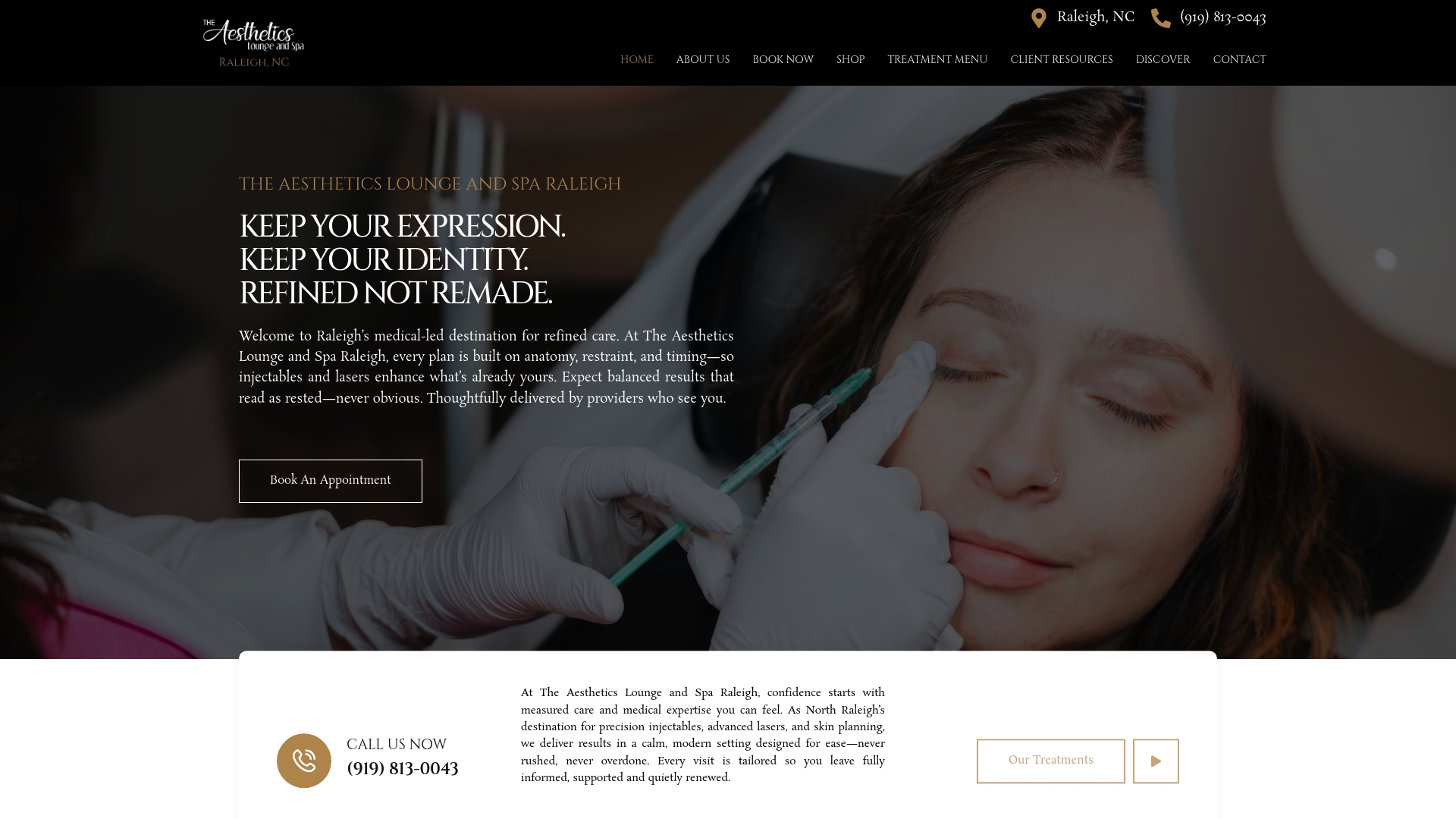
Take the next step today by visiting The Aesthetics Lounge and Spa Raleigh to schedule a personalized consultation. Let us help you build a thoughtful, medically led treatment strategy that respects your facial structure and skin health while delivering natural, refined results that last.
Common misconceptions include the belief that medical aesthetics only involves radical transformations, that procedures are exclusively for wealthy individuals, and that all treatments result in an unnatural appearance. In reality, modern approaches focus on natural enhancements and individualized treatment plans.
Surgical treatments involve more extensive modifications and typically have longer recovery times, while non-surgical treatments are minimally invasive, offering subtle enhancements with minimal downtime.
During a consultation, you will undergo a comprehensive evaluation including a medical history review, a detailed examination of your facial structure, and discussions on your aesthetic goals to develop a personalized treatment plan.
Potential risks range from minor complications like bruising and swelling to more serious concerns such as vascular occlusions or infections. It is essential to choose qualified practitioners and prioritize safety protocols to minimize these risks.