
Medical aesthetics often gets misunderstood. Many assume treatments automatically mean overdone looks or dramatic changes. The reality? Medical-led aesthetics prioritize your anatomy, your goals, and natural, subtle enhancements designed to look like you on your best day. This approach combines medical expertise with personalized care plans, focusing on skin health and lasting results over quick fixes. You maintain control, transparency, and facial harmony.
Table of Contents
- Understanding Medical-Led Aesthetics
- Personalized Medical-Led Aesthetic Care Explained
- Benefits of Medical Expertise in Minimally Invasive Procedures
- Long-Term Skin Health and Structural Support in Treatments
- Technological Advancements Supporting Medical-Led Approaches
- Patient Collaboration and Education in Medical-Led Aesthetics
- Common Misconceptions About Medical-Led Aesthetics
- Making an Informed Choice: How to Select Medical-Led Aesthetic Care
- Discover Personalized Medical-Led Aesthetic Treatments in Raleigh, NC
- Frequently Asked Questions About Medical-Led Aesthetics
Key Takeaways
| Point | Details |
|---|---|
| Medical-led aesthetics combine expert supervision with personalized treatment plans | Treatments are tailored to your unique anatomy, lifestyle, and realistic goals for natural outcomes. |
| Minimally invasive procedures reduce risks and downtime | Medical professionals use precise techniques for safer, longer-lasting results compared to surgery. |
| Advanced technologies enhance treatment precision | AI skin analysis and 3D facial mapping optimize customization and patient satisfaction. |
| Patient collaboration improves transparency and trust | Clear communication about realistic outcomes empowers you to make informed, pressure-free decisions. |
| Common myths about unnatural results are debunked | Medical-led care emphasizes subtlety and anatomical respect, not overdone transformations. |
Understanding Medical-Led Aesthetics
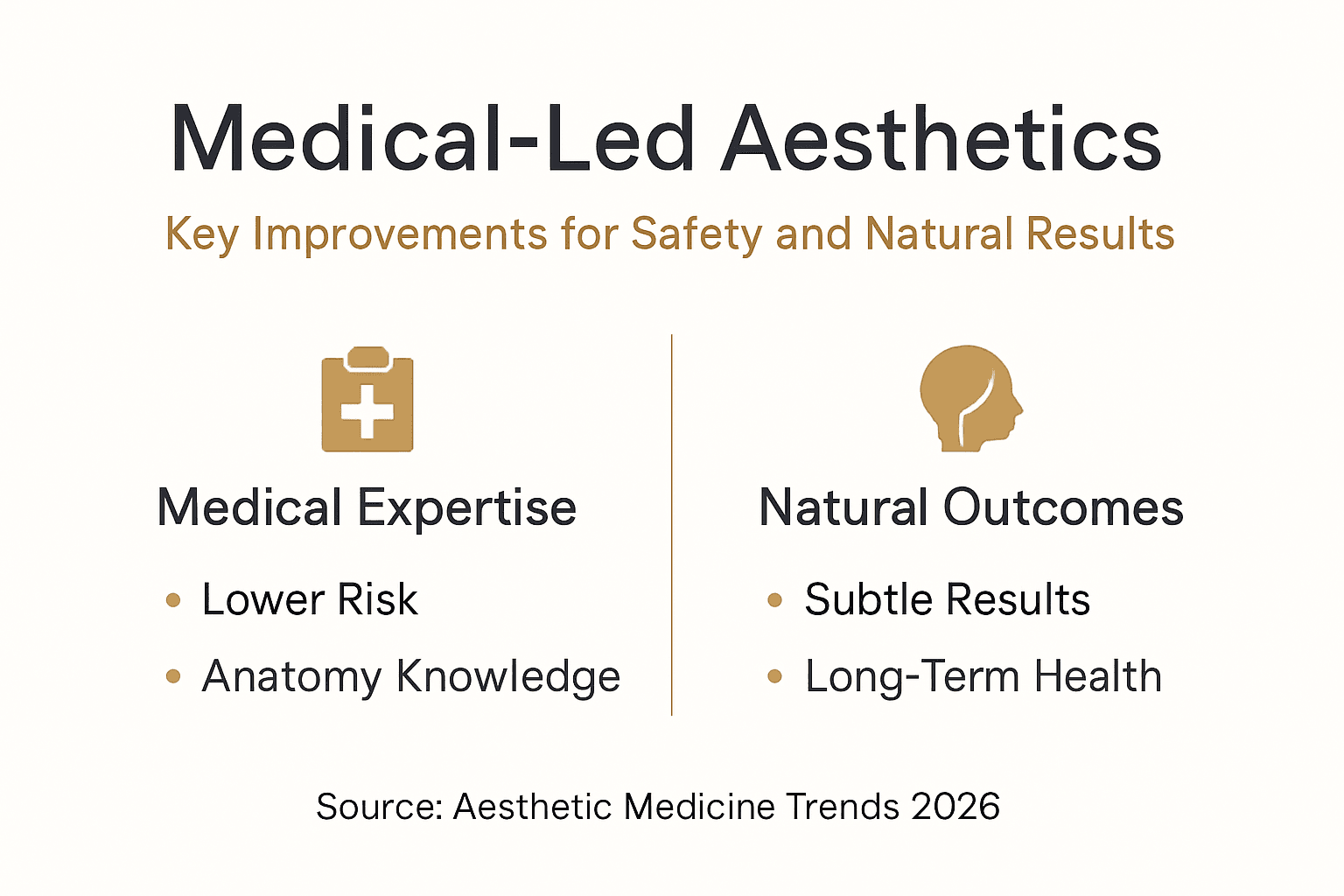
Medical-led aesthetics means your treatments are performed or directly supervised by qualified medical professionals like physicians, nurse practitioners, or physician assistants. This model emphasizes medical supervision and personalized care leading to natural, patient-centered results. Your anatomy, lifestyle habits, and personal goals shape every decision.
Non-medical providers often deliver standardized, trend-driven treatments without the depth of training to assess facial structure or anticipate complications. Medical providers bring anatomical knowledge, emergency response skills, and ethical oversight. The difference matters when injectables are placed near blood vessels or nerves.
Medical aesthetics explained shows how this approach protects you while delivering the refined results you want. Patient demand increasingly favors subtlety and safety over quick, dramatic fixes. In North Carolina, awareness of medically guided aesthetics continues growing as people prioritize long-term skin health.
Key characteristics of medical-led aesthetics include:
- Comprehensive facial assessment before any treatment
- Evidence-based treatment selection tailored to your skin type
- Ongoing monitoring and adjustment for optimal safety
- Focus on natural movement and expression preservation
- Conservative dosing with staged enhancements over time
Personalized Medical-Led Aesthetic Care Explained
Personalization is the cornerstone of aesthetic medicine in 2026 with significant patient collaboration in planning. Your provider assesses facial anatomy, lifestyle habits like sun exposure or stress levels, and your personal aesthetic goals. Medical expertise customizes treatment modalities and dosage for the best fit. Patient collaboration ensures treatment aligns with your comfort and expectations.
Plans often involve staged, conservative enhancements rather than one-off dramatic changes. This approach respects your facial structure and allows adjustments as you see results. You avoid overcorrection and maintain natural movement.
Follow these steps to experience personalized care:
- Schedule an in-depth consultation where your provider examines skin health, bone structure, and volume distribution.
- Discuss your lifestyle factors like skincare routine, sleep quality, and health conditions that affect treatment choices.
- Set realistic goals together, clarifying what subtle enhancement means for your unique face.
- Develop a phased treatment plan with timelines, expected outcomes, and follow-up schedules.
- Begin with conservative treatments, then adjust based on your response and satisfaction.
- Maintain results through periodic touch-ups and skin health strategies your provider recommends.
Pro Tip: Bring photos of yourself from five years ago to your consultation. This helps your provider understand how your face has changed naturally and design treatments that restore your features rather than alter them.
Explore natural aesthetics benefits and benefits of medical aesthetics to see how personalized care transforms outcomes. Ethica Creative medical aesthetics trends shows industry-wide shifts toward patient-centered planning.
Benefits of Medical Expertise in Minimally Invasive Procedures
Medical providers ensure precise facial contouring using deep knowledge of facial anatomy. They understand muscle groups, blood vessel pathways, and nerve locations. This expertise achieves subtle facial contouring and rejuvenation with less risk and downtime than surgery.
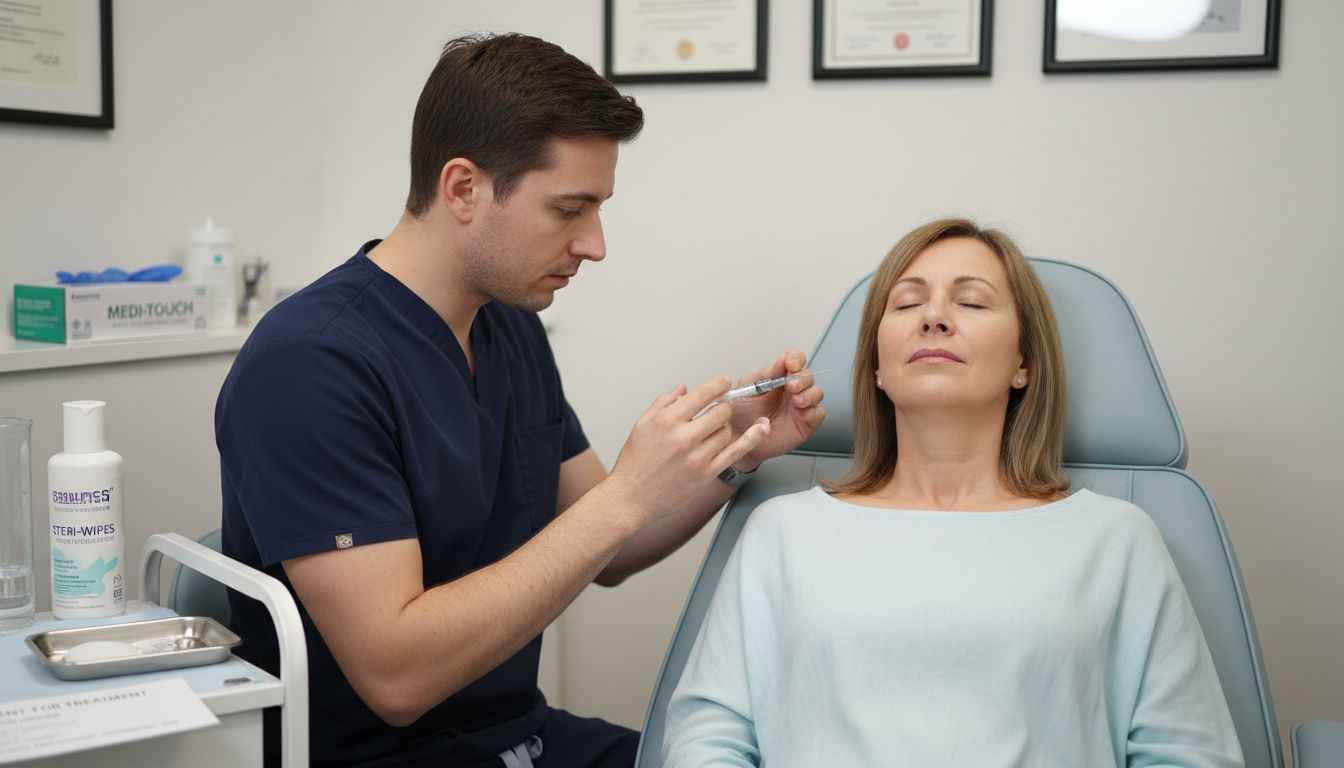
Risks of side effects like bruising, swelling, or asymmetry decrease significantly under medical supervision. Injectables and thread lifts are leading non-surgical treatments preferred by patients seeking natural-looking results. These procedures align with your desire for subtle rejuvenation without the recovery time or expense of surgical facelifts.
Over 15 million minimally invasive aesthetic procedures are performed annually in the United States alone. Demand continues rising as people discover they can refresh their appearance without going under the knife.
Key benefits of medical expertise include:
- Accurate injection depth and placement for optimal product distribution
- Immediate complication management if rare adverse events occur
- Customized dosing based on your tissue response and goals
- Reduced downtime through precise technique and post-treatment care
- Long-term planning that considers aging patterns and maintenance
Discover medical spa benefits and review aesthetic medicine trends shaping the industry.
Long-Term Skin Health and Structural Support in Treatments
Collagen stimulation maintains youthful skin and volume as you age. Biostimulatory injectables promote collagen production offering longer-term volume restoration aligned with medical-led aesthetics priorities. These treatments work with your body’s natural healing process rather than simply filling space.
Injectable moisturizers like hyaluronic acid-based products hydrate skin at a cellular level, creating natural-looking restoration. Medical providers focus on preserving facial structural harmony and avoiding excessive volume that distorts your features.
| Injectable Type | Duration | Primary Benefit | Ideal For |
|---|---|---|---|
| Hyaluronic Acid Fillers | 6-18 months | Immediate volume and hydration | Lines, lips, cheeks |
| Biostimulatory Injectables | 2+ years | Gradual collagen rebuilding | Volume loss, skin laxity |
| Neurotoxins | 3-4 months | Muscle relaxation and wrinkle prevention | Forehead lines, crow’s feet |
| Injectable Moisturizers | 6-9 months | Deep skin hydration and glow | Overall skin quality |
Pro Tip: Schedule biostimulatory treatments in your late 30s or early 40s before significant volume loss occurs. This proactive approach maintains your facial structure naturally and reduces the need for more invasive corrections later.
Learn about aesthetic treatment examples and explore biostimulatory injectables trends transforming longevity in aesthetics.
Technological Advancements Supporting Medical-Led Approaches
Advanced diagnostics integrating AI skin analysis, 3D facial mapping, and genetic lifestyle data enable precision care. AI-driven skin type and condition analysis detects issues invisible to the naked eye. Your provider identifies pigmentation concerns, texture irregularities, and underlying inflammation before creating your treatment plan.
3D facial mapping respects individual anatomy to enhance natural outcomes. This technology captures your facial proportions, asymmetries, and volume distribution. Integration of genetic and lifestyle data improves prediction of treatment responses, reducing trial and error.
Technology helps reduce risks and increase patient confidence through data-driven planning. You see visual projections of potential outcomes before committing to treatment. This transparency removes guesswork and builds trust.
Key technologies revolutionizing medical aesthetics:
- AI-powered skin analyzers that assess moisture levels, pore size, and elasticity
- 3D imaging systems that simulate post-treatment appearance
- Genetic testing to predict collagen breakdown rates and filler longevity
- Digital treatment planning software for precise injection mapping
- Real-time ultrasound guidance for safer filler placement near vessels
See how to choose injectables naturally and review AI diagnostics in aesthetics shaping modern care.
Patient Collaboration and Education in Medical-Led Aesthetics
Clear discussions about realistic outcomes and risks form the foundation of medical-led care. Transparent patient education and collaboration improve trust, reduce pressure, and lead to better outcomes in medical aesthetics. Your provider explains what each treatment can and cannot achieve.
Avoidance of pressure tactics and rushed decisions by medical professionals protects you from buyer’s remorse. You receive time to consider options, research treatments, and return with questions. Patient empowerment leads to improved adherence and satisfaction with results.
Tips for collaborating effectively with providers:
- Request before and after photos of patients with similar features and goals
- Ask about the provider’s training, certification, and years of experience
- Clarify the full cost including follow-up visits and potential touch-ups
- Discuss what happens if you’re unsatisfied with initial results
- Inquire about emergency protocols if complications arise
Pro Tip: Write down your top three aesthetic concerns before your consultation. This focused approach helps your provider understand priorities and design a treatment sequence that addresses your most important goals first.
Explore how to choose aesthetic treatments naturally and learn from patient education in aesthetics best practices.
Common Misconceptions About Medical-Led Aesthetics
Myth 1: Medical aesthetics cause unnatural, overdone looks. Reality: They emphasize subtlety and anatomical respect to enhance your features without dramatic transformation. The goal is refinement, not reinvention.
Myth 2: Non-medical providers deliver equally safe treatments. Reality: Medical expertise significantly improves safety through anatomical knowledge, complication management skills, and ethical oversight. Non-medical settings lack this depth of training.
Patient demand favors subtle, believable outcomes over dramatic transformations. You want to look refreshed, not different. Medical-led aesthetics align with this preference through conservative treatment approaches.
| Factor | Medical-Led Aesthetics | Non-Medical Aesthetics |
|---|---|---|
| Personalization | Comprehensive assessment with customized plans | Often standardized protocols |
| Safety Oversight | Medical training, emergency protocols, complication management | Limited medical supervision or emergency response |
| Outcome Focus | Natural enhancement respecting anatomy | May prioritize trends over individual features |
| Patient Satisfaction | Higher due to realistic expectations and quality results | Variable, risk of disappointment or adverse events |
Understand medical providers role in delivering superior, safer outcomes.
Making an Informed Choice: How to Select Medical-Led Aesthetic Care
Verify medical credentials such as board certifications and specialized training in aesthetic medicine. Look for providers certified by recognized boards in dermatology, plastic surgery, or aesthetic medicine. Training matters as much as licensure.
Look for evidence-based, personalized treatment plans focusing on natural results. Your provider should explain why specific treatments suit your anatomy and goals. Be alert for red flags: lack of medical supervision, pushy sales tactics, or missing consultative care.
Steps to prepare for your consultation:
- Research the provider’s credentials, reviews, and before/after galleries online.
- Prepare a list of questions about treatment options, risks, costs, and expected timelines.
- Bring a list of current medications, supplements, and known allergies.
- Ask about the provider’s complication rate and how they handle adverse events.
- Request a detailed treatment plan in writing with costs broken down.
- Take time to decide without feeling pressured to book immediately.
Pro Tip: Review before and after photos critically. Look for subtle improvements rather than dramatic changes. Natural results should make you wonder what changed, not immediately identify the work done.
Learn more about choosing aesthetic treatments and discover why choosing a medical spa matters for safety and quality.
Discover Personalized Medical-Led Aesthetic Treatments in Raleigh, NC
Ready to experience medical-led aesthetics designed for natural, lasting results? The Aesthetics Lounge & Spa in North Raleigh offers medically supervised treatments that respect your anatomy and goals.
Our range includes facials, chemical peels, and microneedling tailored for subtle enhancement and skin health. Expert medical supervision ensures every treatment is safe, precise, and aligned with your vision. Advanced diagnostics help us customize your care plan from consultation through maintenance.
Schedule a personalized consultation to discuss your aesthetic goals without pressure. Explore aesthetic treatments in Raleigh and learn how to choose aesthetic treatments naturally. Discover the benefits of medical aesthetics for your unique needs.
Frequently Asked Questions About Medical-Led Aesthetics
What qualifications should I look for in a medical aesthetic provider?
Seek providers with active medical licenses, board certification in relevant specialties like dermatology or plastic surgery, and advanced training in aesthetic procedures. Membership in professional organizations like the American Society for Aesthetic Plastic Surgery signals commitment to standards.
How long do results from medical-led minimally invasive treatments typically last?
Results vary by treatment type. Neurotoxins last three to four months, hyaluronic acid fillers six to eighteen months, and biostimulatory injectables two years or longer. Your provider creates a maintenance schedule tailored to your medical aesthetics results and goals.
Are medical-led aesthetic treatments safe for sensitive skin?
Yes, when performed by qualified medical professionals who assess your skin type and sensitivities first. Medical providers customize treatment intensity, product selection, and post-care protocols to minimize irritation and maximize safety for sensitive skin.
What should I expect during my first consultation?
Expect a comprehensive facial assessment, discussion of your aesthetic goals and medical history, explanation of suitable treatment options with realistic outcomes, and a customized treatment plan with cost estimates. No pressure to book immediately; you should leave with information to make an informed decision.
How can I maintain results long-term after treatments?
Follow your provider’s skincare recommendations, protect skin from sun damage with daily SPF, stay hydrated, manage stress, and schedule periodic maintenance treatments as advised. Choose aesthetic treatments that align with your lifestyle for sustainable, long-term results.