Many adults mistakenly believe non-surgical aesthetic treatments inevitably create overdone, unnatural appearances. This misconception keeps people from exploring options that could enhance their confidence. Safe aesthetic care prioritizes subtle, natural results under medical supervision. This guide clarifies what safe care truly means, empowering you to make informed, confident choices about treatments that respect your unique features while delivering refined enhancements.
Table of Contents
- Defining Safe Aesthetic Care
- Medical Oversight and Provider Qualifications
- Popular Non-Surgical Cosmetic Treatments Overview
- Safety Protocols and Regulatory Landscape
- Common Misconceptions and Clarifications
- Planning and Patient Education for Natural Results
- Risks and How to Avoid Unsafe Practices
- Step-by-Step Guide to Choosing a Safe Provider
- Discover Safe, Natural Aesthetic Treatments in Raleigh, NC
Key Takeaways
| Point | Details |
|---|---|
| Medical oversight matters | Qualified providers with proper certifications dramatically reduce complication risks. |
| Popular treatments are safe | Botox and fillers deliver natural results when medically administered by trained professionals. |
| Safety protocols protect you | Strict hygiene standards and regulatory compliance ensure patient protection. |
| Myths create fear | Non-surgical treatments don’t cause unnatural looks when performed conservatively. |
| Provider choice is critical | Selecting qualified practitioners ensures safe, natural outcomes aligned with your goals. |
Defining Safe Aesthetic Care
Safe aesthetic care blends medical expertise with cosmetic enhancement goals. Modern medical aesthetics prioritize subtle, natural enhancements tailored to individual anatomy, ensuring you look like yourself, just more supported. The focus is preserving your facial identity through measured improvements, never drastic alterations.
Individualized treatment plans respect your anatomy and desired outcomes. Your bone structure, muscle movement, and skin quality all influence which treatments suit you best. Medical supervision ensures realistic expectations from the start, preventing disappointment and complications.
Key principles of safe aesthetic care include:
- Medical expertise guiding every decision
- Personalized plans based on facial anatomy
- Conservative approaches favoring gradual enhancements
- Transparent communication about risks and benefits
- Follow-up care ensuring optimal healing
Pro Tip: Always prioritize providers who emphasize natural looks over dramatic changes. If someone promises to transform you completely, walk away. Safe care enhances who you already are.
Medical Oversight and Provider Qualifications
Board certification and specialized training are non-negotiable for safe injectors and aestheticians. Qualified medical providers significantly reduce the risk of complications compared to untrained practitioners. The difference isn’t subtle; it’s the gap between safe enhancement and potential harm.
North Carolina requires licensure and adherence to state regulations for aesthetic providers. Before any treatment, verify your provider holds active licenses and operates under physician supervision. Medical providers in aesthetics bring anatomical knowledge that protects you from complications.
Patients should verify credentials and physician involvement before treatment. Ask direct questions about training, experience with specific procedures, and complication management protocols. Legitimate providers welcome these inquiries.
Essential qualifications to confirm:
- Active medical license in North Carolina
- Specialized training in cosmetic injectables
- Certification from recognized aesthetic boards
- Ongoing education in latest techniques
- Malpractice insurance coverage
Medical oversight drastically lowers complication rates by ensuring anatomical precision, sterile technique, and immediate response capability if issues arise.
Popular Non-Surgical Cosmetic Treatments Overview
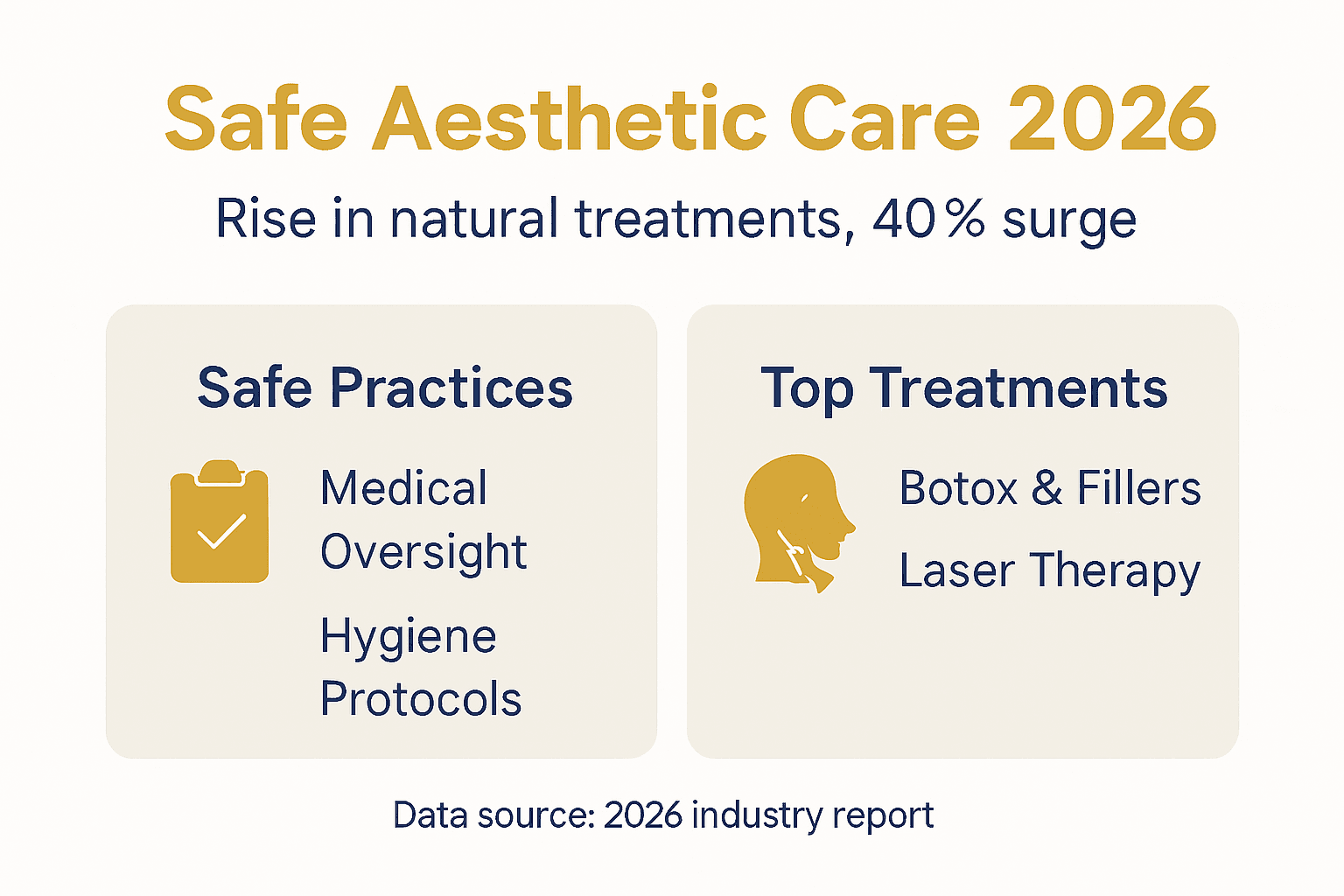
Non-surgical cosmetic treatments have surged globally, with a 40% increase in procedures over four years, reflecting their safety and patient preference. This growth demonstrates that people trust these options when performed correctly. Understanding your choices helps you make informed decisions.
Popular treatments include Botox, dermal fillers, laser therapy, ultrasound lifting, chemical peels, and CoolSculpting®. Each addresses different concerns with varying timelines and results. Injectable neurotoxins like Botox are among the most popular and safest treatments when administered by experienced providers.
Botox and fillers offer fast, subtle results with low complication rates when performed medically. Botox relaxes muscles causing wrinkles, while fillers restore volume and smooth lines. Both treatments take minutes with minimal downtime, making them ideal for busy adults.
Energy-based treatments stimulate collagen to tighten skin, often requiring multiple sessions. Lasers and ultrasound penetrate deeper layers, triggering your body’s natural healing response. Results appear gradually over weeks to months.
| Treatment Type | Duration of Results | Downtime | Safety Profile |
|---|---|---|---|
| Botox | 3 to 4 months | None | Very high when properly administered |
| Dermal Fillers | 6 to 18 months | Minimal swelling | High with qualified injectors |
| Energy-Based | 1 to 2 years | Mild redness | High with approved devices |
Safety Protocols and Regulatory Landscape
Licensing and registration of providers and facilities are legally mandated to ensure safety. Every legitimate clinic operates under state oversight, with regular inspections confirming compliance. Safety standards for non-surgical cosmetic procedures involve strict provider licensure, facility hygiene, equipment safety, and ongoing competency training.
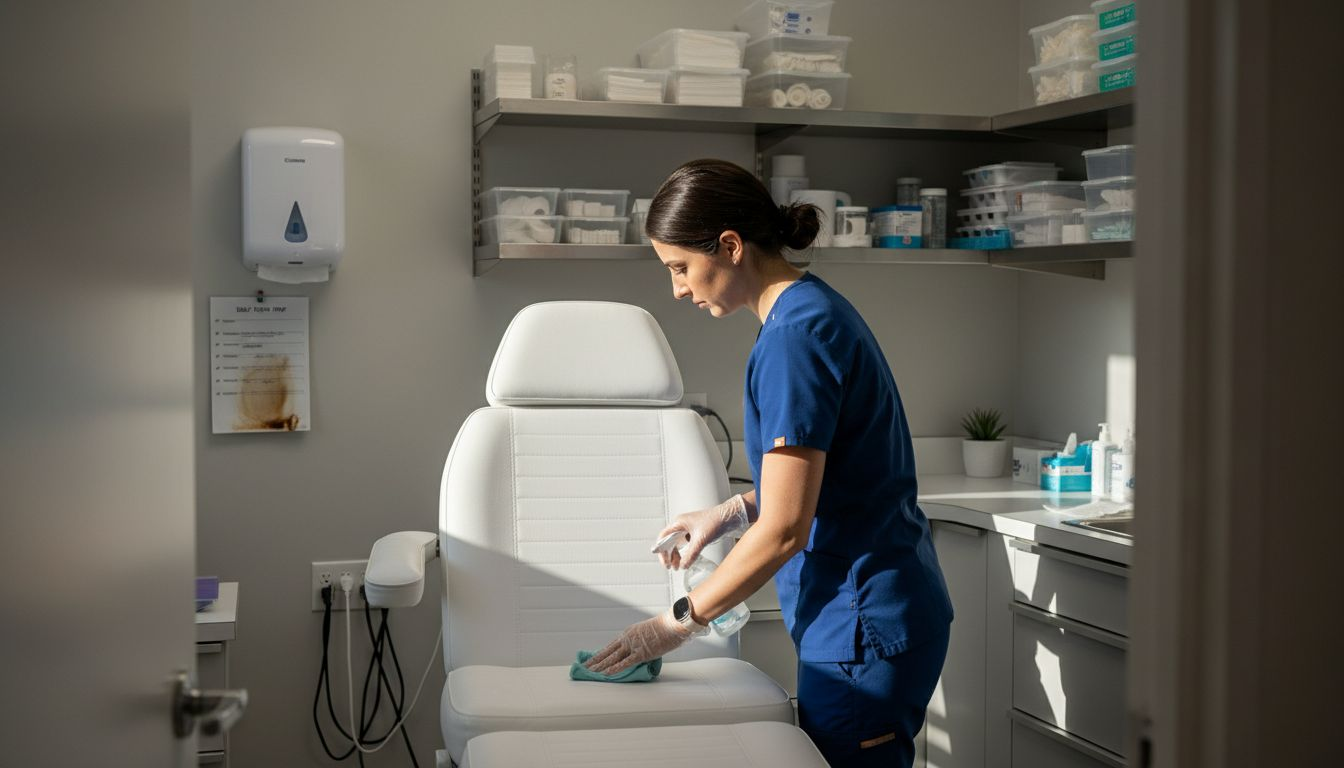
Clinics must follow strict hygiene and infection control protocols to prevent complications. This includes sterile technique for injections, proper equipment sterilization, and single-use items where appropriate. Cross-contamination risks are eliminated through rigorous protocols.
Equipment safety, including FDA approvals, is monitored regularly. Devices must meet federal standards before use on patients. Your provider should use only approved products from verified suppliers, never counterfeit or diluted substances.
Providers participate in ongoing training and competency evaluations to maintain skills. Techniques evolve, and new research emerges constantly. The best practitioners commit to lifelong learning, ensuring you benefit from current best practices.
Patients should confirm their clinic complies with these safety protocols:
- Current facility licenses displayed publicly
- Staff credentials and certifications available for review
- Clear infection control procedures
- FDA-approved products and equipment only
- Detailed consent forms explaining risks
Common Misconceptions and Clarifications
Myth 1: Non-surgical treatments cause unnatural, overdone looks. Reality: Modern practices prioritize subtle, age-appropriate enhancements when performed conservatively. The frozen faces and overfilled lips you fear result from poor technique or patient requests for extreme results, not the treatments themselves.
Myth 2: Only young people benefit from these treatments. Reality: People across adult ages maintain youthful vitality safely. Whether you’re preventing early lines in your thirties or refreshing your appearance in your sixties, treatments can be customized. Age is less important than realistic goals and good skin health.
Myth 3: These treatments don’t require medical supervision. Reality: All procedures carry risks needing qualified oversight. Even “minor” injectables can cause complications if administered incorrectly. Vascular occlusion, infection, and allergic reactions require immediate medical intervention.
Common fears about safety often stem from:
- Media coverage of botched procedures by unqualified providers
- Extreme celebrity results setting unrealistic expectations
- Lack of understanding about conservative approaches
- Marketing that overpromises dramatic transformations
Pro Tip: Always discuss expectations with your provider to ensure realistic and natural outcomes. Bring photos of yourself at a younger age rather than celebrities. This helps your provider understand your personal aesthetic goals.
Planning and Patient Education for Natural Results
Consultation includes discussing goals, anatomy, risks, and expectations clearly. This conversation forms the foundation of safe care. Your provider should listen more than talk initially, understanding what bothers you before proposing solutions. Rushing this step often leads to disappointing results.
Respecting facial anatomy in aesthetics ensures enhancements preserve natural expressions and balance. Your face moves uniquely. Treatments must account for muscle dynamics, bone structure, and fat distribution. Cookie-cutter approaches ignore these individual factors.
Treatment pacing favors incremental changes over drastic alterations. Starting conservatively allows adjustments at follow-up appointments. You can always add more filler or Botox; removing excess is far more complicated.
Patient education covers maintenance, potential side effects, and follow-up care. Understanding what to expect prevents anxiety and helps you identify problems early. Knowing normal healing versus complications empowers you to seek help when needed.
Your involvement in planning safe aesthetic care:
- Research providers and verify credentials before booking
- Prepare questions about specific treatments and outcomes
- Communicate honestly about medical history and medications
- Review before-and-after photos of actual patients
- Understand the full cost including follow-up visits
- Commit to recommended pre- and post-treatment protocols
Benefits of thorough patient education:
- Confidence in your treatment decisions
- Realistic expectations preventing disappointment
- Better recognition of potential complications
- Improved treatment outcomes through proper aftercare
- Long-term satisfaction with aesthetic investments
When you understand how to choose aesthetic treatments naturally, you avoid common pitfalls. Education transforms you from passive recipient to active participant. This partnership with your provider creates examples of aesthetic treatments for natural results that enhance rather than alter.
Risks and How to Avoid Unsafe Practices
Complications can arise from unlicensed injectors or counterfeit products. The underground aesthetic market thrives on bargain seekers, but savings aren’t worth permanent damage. Counterfeit Botox and fillers lack quality control, potentially containing harmful substances. Unlicensed injectors lack training to manage emergencies.
Signs of unsafe providers include lack of medical oversight and poor hygiene standards. Red flags are obvious once you know what to look for. If the price seems too good to be true, it probably is. If the setting looks more like a salon than a medical facility, proceed with caution.
Patients should verify provider licenses, read reviews, and visit facilities beforehand. Online research takes minutes but protects you from years of regret. State licensing boards publish provider credentials publicly. Reviews reveal patterns of satisfaction or problems.
Avoid providers promising dramatic changes with “no risk” claims. All medical procedures carry some risk, and honest providers acknowledge this upfront. Guarantees of perfection or pressure tactics suggest profit motives outweigh patient safety.
Protecting yourself from unsafe practices:
- Never accept treatments in non-medical settings like homes or hotels
- Refuse procedures from providers who won’t disclose product brands
- Walk away from high-pressure sales tactics or limited-time offers
- Verify your provider carries malpractice insurance
- Trust your instincts if something feels wrong
Pro Tip: Trust only clinics that transparently discuss risks and show credentials. Legitimate providers want informed patients who understand both benefits and potential complications. Transparency builds trust and protects everyone involved.
Step-by-Step Guide to Choosing a Safe Provider
Selecting the right provider determines your safety and satisfaction. Following these steps systematically reduces risks and increases the likelihood of natural, beautiful results.
-
Research provider’s medical credentials and licensure status carefully. Start with state medical boards to verify active licenses. Check for disciplinary actions or complaints. Review educational background and specialized training in aesthetic medicine.
-
Schedule an initial consultation to discuss goals, options, and risks. Use this meeting to assess communication style and comfort level. Does the provider listen? Do they pressure you toward specific treatments? Are they realistic about what’s achievable?
-
Confirm the clinic’s hygiene protocols and use of approved products. Ask to see the treatment room. Observe cleanliness and organization. Request information about product sourcing and storage. Reputable providers eagerly share this information.
-
Choose conservative treatment approaches focusing on natural outcomes. Discuss starting with minimal amounts and adjusting gradually. Providers who recommend aggressive first treatments may prioritize revenue over your best interests.
-
Follow post-treatment care and attend all follow-up appointments. Your provider should schedule check-ins to assess results and address concerns. Skipping these appointments risks missing complications and limits your ability to refine results.
Additional considerations when choosing your provider:
- Years of experience specifically with desired treatments
- Portfolio of before-and-after photos showing natural results
- Clear pricing structure without hidden fees
- Emergency contact information for after-hours concerns
- Patient testimonials describing the entire experience
The time invested in careful provider selection pays dividends in safety, satisfaction, and natural-looking enhancement. Rushing this decision invites regret and potential harm.
Discover Safe, Natural Aesthetic Treatments in Raleigh, NC
If you’re seeking medically guided aesthetic care that prioritizes your natural appearance, The Aesthetics Lounge & Spa offers precisely that approach. Our conservative treatment philosophy ensures you look like yourself, just more supported. Every appointment begins with education, not sales pressure.
We believe aesthetic care should enhance your confidence without announcing itself. Our team brings medical expertise to every consultation, creating personalized plans that respect your facial anatomy and goals. From examples of aesthetic treatments for natural results to guidance on how to choose aesthetic treatments naturally, we’re here to support your journey. Discover more about medical aesthetics explained and schedule your consultation today.
What Is Safe Aesthetic Care? Frequently Asked Questions
How do I verify if my provider is qualified?
Check the North Carolina Medical Board website for active licenses and any disciplinary history. Ask your provider directly about board certifications, specialized training in aesthetic medicine, and years of experience with specific treatments. Legitimate providers welcome these questions and provide documentation readily.
What non-surgical treatments are safest for beginners?
Botox and dermal fillers are excellent starting points when administered conservatively by qualified providers. These treatments offer predictable, temporary results with minimal downtime. Starting with small amounts allows you to assess how your body responds before committing to more extensive treatments.
How can I ensure my results look natural?
Communicate clearly with your provider about wanting subtle enhancement, not dramatic change. Bring photos of yourself from younger years rather than celebrities. Choose providers who favor conservative approaches and gradual improvements. Natural results come from respecting your existing facial structure rather than fighting against it.
What should I expect during my first consultation?
Expect a thorough discussion of your concerns, goals, medical history, and realistic outcomes. Your provider should examine your facial anatomy and explain which treatments suit your needs. You’ll learn about risks, benefits, costs, and recovery expectations. Never feel pressured to book treatments during this initial visit.
Are non-surgical procedures safe for all adult ages?
Yes, when properly selected and customized for individual needs. Younger adults often focus on prevention, while mature adults address existing concerns. Your overall health matters more than chronological age. Medical clearance may be necessary for certain conditions, and a qualified provider will screen appropriately before treating you.
Recommended
- Natural Aesthetics: Subtle Enhancements, Lasting Confidence
- 6 Benefits of Medical Aesthetics for Natural Results
- Medical Aesthetics Explained: Safer, Natural Results
- 6 Examples of Aesthetic Treatments for Natural Results
- 2026 Marketing Trends: AI, Ethics, and Personalized Engagement | AI and Digital Marketing Service by MCNM