
Many people assume medical-led skincare means harsh treatments that leave you looking obviously “done.” In reality, medical-led skincare focuses on subtle, anatomically informed enhancements that prioritize long-term skin health. This guide clarifies the principles, benefits, and practical steps to choosing medical-led skincare that respects your natural beauty while delivering measurable, lasting results.
Table of Contents
- Introduction To Medical-Led Skincare
- The Science Behind Medical-Led Skincare
- How Medical Expertise Shapes Treatment Planning
- Common Misconceptions About Medical-Led Skincare
- Comparing Medical-Led Skincare To Traditional Cosmetic Skincare
- Practical Application: Choosing Medical-Led Skincare Treatments
- Summary And Next Steps For Long-Term Skin Health
- Explore Medical-Led Skincare Options In North Raleigh
Key takeaways
| Point | Details |
|---|---|
| Medical-led skincare is physician-supervised care focused on natural, long-term skin health | Treatments use advanced diagnostics and respect your anatomy to avoid unnatural results. |
| Patient education and informed consent lower dissatisfaction by up to 40% | Transparent communication builds trust and improves treatment outcomes. |
| Medical-led skincare offers safer, more effective outcomes than traditional cosmetic approaches | Clinical oversight and personalized planning reduce risks and side effects. |
| Conservative, incremental treatments preserve natural facial movement | Medical professionals plan treatments to maintain structural integrity and avoid overdone appearances. |
| Choosing the right provider is key to personalized, conservatively guided treatment | Verify credentials, diagnostic tools, and patient education practices before committing. |
Introduction to medical-led skincare
Medical-led skincare is physician-supervised care integrating dermatological diagnosis and treatment planning. Unlike generic cosmetic products or over-the-counter solutions, this approach tailors individualized regimens based on your skin’s health, structure, and long-term preservation needs. It distinguishes itself by focusing on what your skin needs medically, not just what looks good temporarily.
Key principles of medical-led skincare include:
- Clinical diagnosis before treatment to identify underlying skin conditions
- Personalized regimens based on medical assessment, not one-size-fits-all formulas
- Focus on structural skin health to prevent premature aging and damage
- Conservative treatment philosophy that avoids over-treatment and respects facial anatomy
This approach ensures you receive care that supports your skin’s natural function and appearance. Medical professionals prioritize gradual, evidence-based improvements over quick fixes that may compromise skin integrity. By addressing root causes rather than surface symptoms, medical-led skincare builds a foundation for lasting health.
Exploring medical aesthetics natural results reveals how physician oversight transforms skincare from reactive to proactive. Treatments are paced to allow your skin to adapt, reducing risks and maximizing benefits. This careful, informed approach distinguishes medical-led skincare from cosmetic alternatives that often prioritize speed over safety.
The science behind medical-led skincare
Clinical dermatology forms the foundation of medical-led skincare. Physicians use advanced diagnostic tools like skin imaging and histology sampling to precisely target treatments and enhance efficacy compared to visual assessment alone. These technologies reveal subsurface conditions invisible to the naked eye, enabling more accurate treatment planning.
Diagnostic precision improves outcomes significantly:
- Skin imaging detects early signs of damage, allowing preventive intervention
- Histology sampling identifies cellular changes guiding targeted therapies
- Digital analysis tracks treatment progress objectively over time
- Personalized diagnostics reduce trial-and-error approaches common in traditional skincare
Pro Tip: Ask your provider about diagnostic tools they use for your skin assessment. Understanding how your skin is evaluated builds confidence in your treatment plan.
Medical professionals interpret diagnostic data through the lens of dermatological science. They identify patterns indicating inflammation, structural weakening, or other concerns requiring specialized care. This evidence-based approach ensures treatments address actual needs rather than perceived wants. Following medically guided skincare steps provides a roadmap for integrating clinical insights into daily routines.
The scientific rigor behind medical-led skincare separates it from cosmetic products marketed on trends. Treatments are selected based on peer-reviewed research demonstrating safety and efficacy. Physicians adjust protocols as new evidence emerges, keeping your care current with dermatological advancements. This commitment to science protects you from unproven interventions that may cause more harm than good.
How medical expertise shapes treatment planning
Medical professionals apply anatomical and pathological understanding to preserve natural facial movement and prevent overdone aesthetic results. Treatment plans are built on detailed knowledge of facial structures, ensuring enhancements support rather than distort your natural features. This anatomical focus maintains expression and authenticity.
Conservative, incremental treatments reduce risks significantly:
- Gradual improvements allow skin to adapt without stress
- Incremental adjustments prevent unnatural or sudden changes
- Long-term maintenance scheduling ensures sustained skin health
- Anatomically informed placement respects muscle function and movement
Pro Tip: Discuss treatment goals openly with your provider to ensure natural outcomes. Clear communication aligns expectations with realistic, achievable results.
Comparing treatment approaches highlights the value of medical expertise:
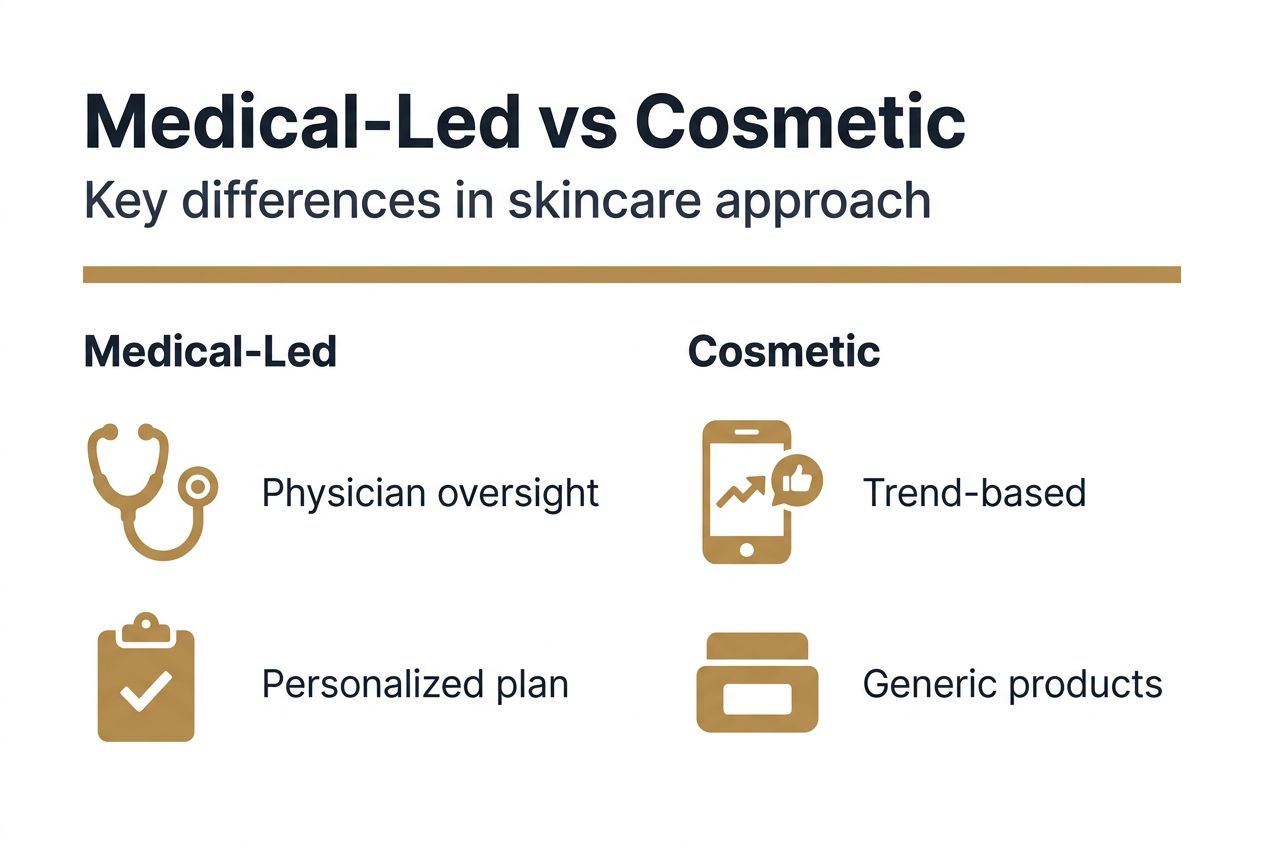
| Aspect | Medical-Led Skincare | Traditional Cosmetic Skincare |
|---|---|---|
| Supervision | Physician-led with clinical oversight | Often non-medical staff or self-administered |
| Diagnosis | Advanced diagnostics and personalized assessment | Visual assessment or generic product selection |
| Treatment Planning | Anatomy-based, conservative, long-term focused | Trend-driven, often aggressive, short-term fixes |
| Patient Education | Comprehensive informed consent and follow-up | Limited education, product-focused |
| Safety | Clinical protocols reduce risks | Variable safety depending on product or provider |
Medical-led treatment planning prioritizes sustainability over speed. Providers schedule treatments to allow healing and integration, respecting your skin’s natural regeneration cycles. This pacing prevents complications and optimizes results. Exploring medical-led aesthetics safer natural results demonstrates how physician guidance protects both your appearance and well-being.
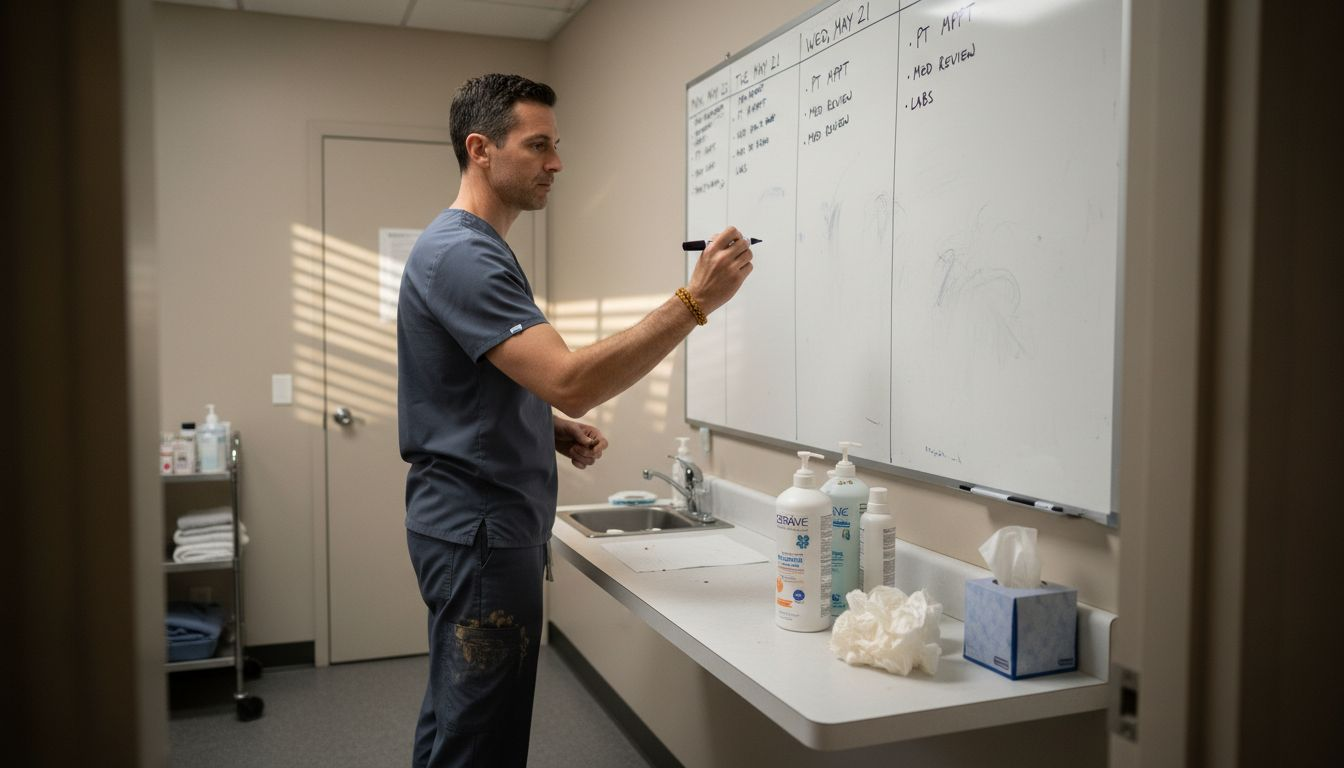
The medically led spa benefits extend beyond aesthetics. Medical professionals monitor for adverse reactions, adjusting treatments promptly if concerns arise. This proactive oversight ensures your care remains aligned with health priorities, not just cosmetic desires.
Common misconceptions about medical-led skincare
Many believe medical-led skincare targets only older adults seeking dramatic changes. In truth, it benefits adults aged 25 and older focused on prevention, subtle enhancements, and long-term health. Early intervention preserves skin quality, delaying the need for more aggressive treatments later.
Other misconceptions include:
- Myth: Medical treatments are always aggressive or painful. Reality: Conservative approaches prioritize comfort and gradual improvement.
- Myth: Only severe skin conditions require medical care. Reality: Preventive medical skincare maintains health before problems develop.
- Myth: Results take too long compared to cosmetic alternatives. Reality: Sustainable results outperform quick fixes that fade or cause damage.
Patient education and transparent communication reduce treatment dissatisfaction and adverse events by up to 40%. Medical professionals invest time explaining procedures, risks, and realistic outcomes. This informed consent process empowers you to make confident decisions aligned with your values.
“Medical-led skincare emphasizes patient education and transparent communication, fostering informed consent and reducing treatment dissatisfaction and adverse events by up to 40%.”
Understanding why trust medically led spas clarifies how clinical oversight protects your interests. Physicians are accountable to medical standards and ethics, ensuring treatments serve your health first. This accountability distinguishes medical-led care from purely commercial cosmetic services.
The misconception that aggressive treatments yield better results ignores evidence favoring conservative approaches. Over-treatment often leads to unnatural appearances, complications, or skin damage requiring corrective intervention. Medical professionals resist pressure to over-treat, prioritizing your long-term satisfaction over short-term profits.
Comparing medical-led skincare to traditional cosmetic skincare
Medical-led skincare involves physician supervision, advanced diagnostics, and personalized medical treatments. Traditional cosmetic skincare often relies on generic products, limited professional input, and trend-driven approaches. The difference impacts safety, efficacy, and patient satisfaction.
Key distinctions include:
- Medical-led care uses clinical-grade ingredients backed by research, while cosmetic products may lack proven efficacy
- Physicians adjust treatments based on ongoing assessment, whereas cosmetic approaches rarely adapt to individual response
- Medical protocols include follow-up care and complication management, often absent in traditional settings
A detailed comparison illustrates these differences:
| Aspect | Medical-Led Skincare | Traditional Cosmetic Skincare |
|---|---|---|
| Supervision | Dermatologist or physician oversight | Estheticians or self-directed |
| Diagnostics | Skin imaging, histology, clinical evaluation | Visual inspection, product trials |
| Treatment Efficacy | Evidence-based, clinically proven protocols | Variable, often marketing-driven claims |
| Safety Standards | Medical-grade safety protocols and monitoring | Cosmetic-grade regulations, limited oversight |
| Patient Education | Comprehensive informed consent, risks discussed | Product benefits emphasized, risks downplayed |
| Outcome Focus | Long-term skin health and natural results | Immediate cosmetic improvement |
Medical-led treatments show higher satisfaction rates and fewer side effects due to clinical oversight. Physicians identify contraindications that non-medical providers might miss, preventing adverse reactions. This expertise protects you from treatments incompatible with your health status or medications.
Exploring benefits of medical spa services reveals how combining medical expertise with spa-like environments enhances comfort without compromising safety. You receive clinical-grade care in a relaxing setting, merging health priorities with self-care.
Practical application: choosing medical-led skincare treatments
Selecting appropriate medical-led skincare providers requires assessing credentials, treatment philosophy, and patient care practices. Follow these steps to make informed choices:
- Verify medical credentials and licensing of supervising physicians or dermatologists.
- Research the clinic’s reputation through patient reviews and professional affiliations.
- Schedule consultations to evaluate communication style and treatment approach.
- Ask about diagnostic tools used to assess your skin and plan treatments.
- Discuss expected timelines, risks, and realistic outcomes before committing.
- Confirm follow-up care procedures and how complications are managed.
Key questions to ask during consultations:
- What medical credentials does the supervising physician hold?
- Which diagnostic tools will you use to evaluate my skin?
- How do you ensure natural-looking results aligned with my goals?
- What are the potential risks and side effects of proposed treatments?
- How often will I need follow-up appointments and ongoing care?
Pro Tip: Prioritize clinics that emphasize patient education and follow-up care. Providers who invest time explaining treatments demonstrate commitment to your informed participation.
Setting realistic expectations is crucial. Medical-led skincare aims for subtle, gradual improvements, not overnight transformations. Discuss your goals openly, ensuring they align with what’s medically achievable and anatomically appropriate. Avoid providers who promise dramatic results quickly, as this often signals over-treatment risks.
Exploring medical-grade skincare products available at medical spas reveals options for home care that complement professional treatments. These products contain clinical-strength active ingredients unavailable in retail cosmetics. Your provider can recommend formulations tailored to your skin’s specific needs and treatment plan.
Reviewing a treatment planning guide illustrates how medical professionals structure care systematically. Though this example comes from dental medicine, the principles of phased planning, risk assessment, and patient involvement apply equally to dermatological care. Medical-led skincare follows similar systematic protocols ensuring comprehensive, safe treatment.
Summary and next steps for long-term skin health
Medical-led skincare offers a scientifically grounded, anatomy-respecting approach to natural, lasting skin health. By integrating dermatological diagnosis, advanced diagnostics, and conservative treatment planning, medical professionals deliver results that support rather than distort your natural appearance. Patient education and transparent communication build trust, empowering you to make informed decisions.
Key takeaways for sustainable skin health:
- Prioritize physician-supervised care using evidence-based protocols
- Seek providers who emphasize gradual, conservative treatments respecting facial anatomy
- Engage actively in treatment planning through open communication and informed consent
- Commit to follow-up care and long-term maintenance for sustained results
- Choose medical-grade products and treatments backed by clinical research
Your next steps toward medical-led skincare:
- Research qualified medical spas or dermatology clinics in your area
- Schedule consultations to discuss your skin health goals and concerns
- Ask detailed questions about credentials, diagnostics, and treatment philosophy
- Start with preventive or minimally invasive treatments to establish a baseline
- Develop a long-term skincare strategy with professional guidance
Exploring natural aesthetics subtle enhancements provides additional insights into achieving refined results that honor your individuality. Medical-led skincare is an investment in your skin’s future, prioritizing health and authenticity over fleeting trends.
Explore medical-led skincare options in North Raleigh
The Aesthetics Lounge & Spa Raleigh offers medical-led skincare services designed for adults seeking natural, lasting results. Our approach combines clinical expertise with personalized care plans that respect your facial anatomy and long-term skin health goals. Every treatment is physician-supervised, ensuring safety and efficacy.
Discover our range of aesthetic treatments tailored to your unique needs. We prioritize education and transparent communication, helping you understand each step of your skincare journey. Learn how to choose aesthetic treatments naturally and experience the medically led spa benefits that set our practice apart. Contact us to schedule a consultation and begin your path toward supported, natural beauty.
FAQ
What is the difference between medical-led skincare and regular skincare?
Medical-led skincare involves physician oversight, advanced diagnostics, and personalized medical treatments tailored to your skin’s health. Regular skincare typically uses generic over-the-counter products without professional medical assessment. The medical approach addresses underlying conditions and structures care for long-term health, while regular skincare focuses on surface-level cosmetic improvements.
Is medical-led skincare suitable for younger adults or just older people?
Medical-led skincare benefits adults aged 25 and older focused on prevention, subtle enhancements, and maintaining long-term skin health. Starting early allows you to address concerns before they become severe, preserving skin quality naturally. Younger adults benefit from preventive strategies that delay aging and protect skin integrity, making medical-led care valuable at any age.
How do medical professionals ensure natural-looking results?
Medical professionals use anatomical knowledge to plan treatments that preserve natural facial movement and expression. They prioritize gradual, incremental improvements over dramatic changes, allowing your skin to adapt safely. By respecting your facial structure and pacing treatments conservatively, physicians prevent overdone appearances and maintain your authentic look.
What should I ask during my medical-led skincare consultation?
Ask about your provider’s medical credentials, the diagnostic tools used to assess your skin, and expected outcomes for proposed treatments. Inquire about potential risks, follow-up care procedures, and how the clinic manages complications. Understanding these elements ensures you make informed decisions and feel confident in your treatment plan.
Are medical-led skincare treatments safe?
Medical-led skincare treatments are generally safer than many cosmetic alternatives due to clinical supervision and rigorous safety protocols. Patient education and informed consent reduce risks and adverse events. Physicians monitor your response closely, adjusting treatments promptly if concerns arise, providing a higher standard of care and protection.
Recommended
- Medically Guided Skincare Steps for Lasting Natural Results
- Medical-Led Aesthetics 2026: 40% Safer Natural Results
- 7 Key Medically Led Spa Benefits for Natural-Looking Results
- Benefits of medical spa care for natural skin health
- Proceso micropigmentación labios: Guía completa para resultados naturales