
TL;DR:
- Medical facials use medical-grade products and advanced devices for deeper, lasting skin improvements.
- They provide subtle, natural results like smoother texture, even tone, and collagen boost.
- Proper candidate selection and professional oversight are essential to ensure safety and optimal outcomes.
You want to look like yourself, just more rested. Not pulled, not frozen, not overdone. That desire for subtle, believable skin improvement is exactly what draws so many adults in North Raleigh toward medical facials. Unlike standard spa treatments, medical facials use medical-grade ingredients and advanced clinical techniques specifically designed to support genuine skin health. In this article, you’ll find a clear breakdown of what medical facials are, what the evidence says about their results, how they compare to traditional spa facials, and what risks to weigh before booking. Every section is built to help you decide with confidence.
Table of Contents
- What makes a facial ‘medical’? Key differences explained
- Core benefits of medical facials: Evidence and results
- How medical facials compare to spa facials: Outcomes and depth
- Risks, limitations, and who should (or shouldn’t) get medical facials
- Our experience: What truly matters when seeking subtle, natural facial rejuvenation
- Next steps: Experience the benefits of medical facials in Raleigh
- Frequently asked questions
Key Takeaways
| Point | Details |
|---|---|
| Deeper skin improvements | Medical facials use advanced techniques and devices to boost collagen and enhance skin texture. |
| Visible, subtle results | Patients see reduced fine lines and pores for more youthful skin without an overdone look. |
| Safety through customization | Treatments are overseen by professionals for safe, tailored outcomes that fit each individual’s needs. |
| Best with expert guidance | Trust a medically led provider to maximize benefits and minimize risks for your skin. |
What makes a facial ‘medical’? Key differences explained
Not all facials are created equal. The word “facial” covers everything from a relaxing spa treatment with aromatherapy to a clinically structured skin session using prescription-strength actives and FDA-cleared devices. Understanding this difference is what helps you choose correctly.
A spa facial is typically performed by a licensed esthetician. It focuses on surface-level cleansing, hydration, and relaxation. The products used are cosmetic-grade, meaning they work on the skin’s outer layer but don’t penetrate deeply enough to produce significant cellular change. The experience is pleasant. The results are usually temporary.
A medical facial is different at every level. It is performed or supervised by a licensed medical professional, such as a nurse practitioner, physician assistant, or physician. Products are medical-grade, meaning they contain higher potency actives and FDA-cleared devices that reach deeper layers of skin. This is not a relaxation service. It is a targeted clinical treatment designed to create lasting structural improvement.
Thinking about the distinction between medical spa care vs traditional facials helps clarify why the provider’s qualifications matter so much. Medical oversight means your skin is assessed accurately and your treatment is customized to your actual condition, not a one-size-fits-all protocol.
Common treatments you’ll find in a medical facial setting:
- Dermaplaning: Manual exfoliation removing dead cells and vellus hair for smoother texture
- Chemical peels: Controlled application of acids to resurface and renew skin tone
- LED light therapy: Wavelengths targeting acne, inflammation, or collagen stimulation
- Microneedling: Fine needles creating controlled micro-injuries to trigger collagen remodeling
- HydraFacial: Multi-step device treatment combining cleansing, exfoliation, and infusion
- Laser treatments: Precision light energy targeting pigment, vessels, or texture
The medically led spa benefits go beyond just stronger products. Safety protocols, accurate skin assessments, and real treatment customization all improve when a medical professional is guiding the session. If you’re curious about product potency differences, reviewing medical-grade skincare details provides a solid foundation.
Pro Tip: Always ask what device or ingredient class is being used in your facial. If a provider can’t explain the clinical rationale, that’s your signal to look elsewhere.
Core benefits of medical facials: Evidence and results
Now that you understand the structure of medical facials, let’s explore the advantages that make them so popular for adults seeking subtle, natural results.
The most sought-after outcomes from medical facials aren’t dramatic transformations. They’re refinements: smoother texture, more even tone, smaller-looking pores, and skin that holds moisture better. These are the kinds of changes that make people say you look well-rested rather than treated.
Clinical data supports this. Medical facials provide deep cleansing, measurable exfoliation, improved hydration, and meaningful improvements in collagen and elastin levels. In controlled studies, patients saw a 39.53% increase in collagen density and a 130% improvement in elastin after a series of treatments. Wrinkle depth reduced by 43%, and pore size improved by 47%. These are not cosmetic numbers. They reflect real structural change in skin tissue.
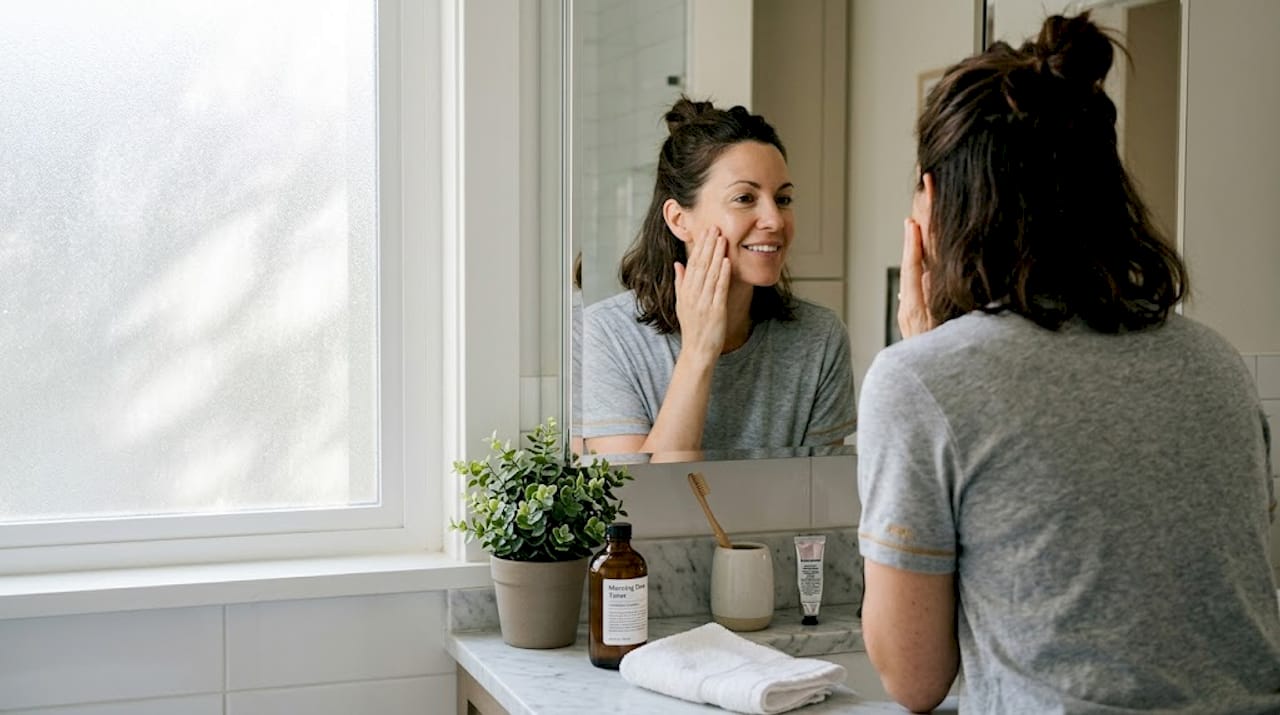
Adults between 25 and 55 benefit particularly well because this is the period when collagen production begins to slow and skin starts losing its natural resilience. Multimodal facial rejuvenation techniques designed for this age group are specifically structured to restore what time gradually reduces, without overcorrecting.
Benefits supported by clinical evidence:
- Deep pore cleansing and congestion reduction
- Controlled exfoliation that improves surface texture
- Lasting hydration through barrier support
- Collagen stimulation for improved skin firmness
- Reduction in fine lines and early wrinkle depth
- More uniform skin tone, including mild discoloration
- Minimized pore appearance
One of the most important things to understand is the cumulative effect. A single session produces noticeable results. A series, typically spaced 4 to 6 weeks apart, builds on those results in layers. Collagen remodeling is not instant. It develops over weeks, which means the skin you see at session three is meaningfully better than session one. Reviewing rejuvenation tips between sessions helps you protect and extend the improvements.
Pro Tip: Use a broad-spectrum SPF 30 or higher every single day during your treatment series. UV exposure is the fastest way to undo collagen gains and trigger the pigment changes you’re trying to correct.
If you want a deeper look at the process, understanding how rejuvenation works at the cellular level helps set realistic, informed expectations.
How medical facials compare to spa facials: Outcomes and depth
With the benefits outlined, it’s helpful to directly compare medical and spa facials to make informed treatment decisions.
| Feature | Medical facial | Spa facial |
|---|---|---|
| Provider | Medical professional | Licensed esthetician |
| Product strength | Medical-grade, prescription actives | Cosmetic-grade |
| Device technology | FDA-cleared clinical devices | Standard spa equipment |
| Depth of results | Structural skin remodeling | Surface hydration and cleansing |
| Customization | Medically assessed and individualized | General skin type protocols |
| Safety oversight | Physician or clinician supervised | Limited medical oversight |
| Downtime | Possible mild redness or peeling | Minimal |
| Cost | Higher investment | Lower cost per session |
| Long-term effect | Cumulative, lasting improvement | Temporary results |
The table makes one thing clear: these are not interchangeable treatments. Medical facials achieve greater depth in skin remodeling than spa facials, deliver superior fine line and pore improvement, and involve direct physician oversight. That oversight isn’t just a technicality. It’s what makes the difference between a treatment that’s tailored to your skin and one that follows a general protocol.
Key distinctions worth highlighting:
- Medical facials can address active concerns like early acne scarring, pigmentation, and elasticity loss
- Customization is based on clinical assessment, not a skin-type quiz
- Medical spa benefits include a higher standard of safety monitoring
- Results from a medical series are measurable, not just subjective
“A series of medical facials yields up to 43% wrinkle reduction and 47% pore improvement, with satisfaction rates that significantly outpace standard spa treatments.”
For adults in North Raleigh who want their skin to look naturally supported rather than noticeably altered, this distinction matters enormously. The medical aesthetics advantages are not about being more aggressive. They’re about being more precise.
Risks, limitations, and who should (or shouldn’t) get medical facials
Comparisons are helpful, but knowing the limitations and risks ensures you choose medical facials safely and confidently.
Medical facials are not appropriate for every person at every time. The higher potency of the treatments that make them effective also means there are real contraindications to respect. Being honest with your provider about your skin history is not optional. It’s the entire basis of a safe, effective session.
When to pause or avoid medical facials:
- Active skin infections, cold sores, or open lesions
- Severe acne or rosacea flares in the treatment area
- Recent cosmetic treatments including laser, injectables, or chemical peels (within 2 to 4 weeks)
- Current sunburn or acute UV damage
- Pregnancy or breastfeeding, depending on the treatment type
- Known allergies to specific ingredients in planned products
- Certain autoimmune conditions or medications that affect skin healing
Common side effects from medical facials are generally mild and temporary. Temporary redness and rare allergic reactions are the most frequently reported, with most resolving within hours to a day or two. Mild dryness, sensitivity to light, or superficial flaking can occur after peels or resurfacing treatments. Rarely, and almost always when protocols aren’t followed, hyperpigmentation can develop, especially in deeper skin tones if proper pre-treatment care was skipped.
The good news is that risks are minimized with physician oversight and proper patient selection. A skilled provider will walk through your complete skin history before recommending any treatment. This conversation isn’t a formality. It’s the foundation of a plan that actually works for your skin.
If you’re managing an ongoing skin condition or have recently completed another aesthetic treatment, following a guided skincare workflow helps you know when your skin is ready. The guided skincare steps recommended between sessions also play a protective role, maintaining and supporting what’s been built in the treatment room.
Our experience: What truly matters when seeking subtle, natural facial rejuvenation
Here’s the honest perspective: most people who feel disappointed after aesthetic treatments didn’t choose the wrong treatment. They chose the wrong approach. Dramatic, one-size-fits-all protocols applied without real consultation tend to produce results that feel off, not refreshed but altered. That’s not subtle rejuvenation. That’s overcorrection.
What actually delivers confidence-boosting, natural-looking results is a plan that begins with understanding your individual skin, your lifestyle, and what “better” genuinely means for you. Medical facials work best when they’re part of a considered strategy, not a single isolated appointment made on impulse.
At practices you can trust with medically led care, the conversation before treatment is as important as the treatment itself. That’s where goals are clarified, risks are discussed honestly, and expectations are set at a realistic, achievable level.
Before booking, ask these questions: What specific concern is this treatment addressing? How will we measure progress? What should I expect in the first 24 hours? A provider who answers these without hesitation is one worth trusting.
Next steps: Experience the benefits of medical facials in Raleigh
If you’re ready to discover these subtle, effective benefits for yourself, here’s how to get started with trusted providers.
At The Aesthetics Lounge and Spa Raleigh on Six Forks Road, every skin conversation begins with your goals, not a treatment menu. Our medically led team builds sessions around your skin’s actual condition, your timeline, and the kind of results that feel like you at your best. Explore our full range of aesthetic treatments in Raleigh to see what fits your goals.
Want to understand the broader picture first? Our articles on medically led spa benefits and medical spa care in Raleigh give you a fuller sense of what thoughtful, physician-guided care looks like in practice. When you’re ready, we’re here. No pressure. Just clarity.
Frequently asked questions
What are the main side effects of medical facials?
Temporary redness and rare allergic reactions are the most common side effects, typically resolving within hours to two days. Mild dryness or sensitivity after peels is also normal and short-lived.
How often should adults get medical facials for the best results?
Most providers recommend spacing sessions every 4 to 6 weeks to allow skin remodeling to progress safely. Cumulative results build meaningfully across a series of three to six treatments.
Who should avoid medical facials?
Anyone with active infections, open wounds, sunburn, or inflamed skin should wait until fully healed. Medical facials are not recommended immediately following recent laser treatments, injectables, or during acute skin flare-ups.
Do medical facials really help reduce fine lines and pores?
Clinical studies show up to 43% wrinkle reduction and 47% improvement in pore appearance after a completed series. These results develop over weeks as collagen remodeling progresses.