
TL;DR:
- Non-surgical skin treatments can subtly improve texture, tone, firmness, and glow with minimal downtime.
- Personalization, including skin type and sensitivities, is essential for safe, effective skin maintenance.
- Results are temporary, requiring ongoing treatments every 6 to 18 months for sustained skin health.
You want your skin to look smoother, more rested, and quietly renewed. But you’re not interested in dramatic changes or extended downtime. The challenge is knowing which non-surgical options actually deliver subtle, natural results and which ones are mostly marketing noise. With so many treatments available, it can feel difficult to know where to start. This guide walks you through an evidence-based, step-by-step approach to maintaining skin health without surgery, covering everything from foundational planning and in-clinic treatments to preparation routines and safety considerations for different skin types.
Table of Contents
- What to know before starting a skin health journey
- Essential in-clinic treatments for long-term skin health
- Pre- and post-treatment skin care routines that maximize benefits
- Special considerations: Skin types, sensitivities, and safety
- A reality check: What most guides won’t clarify about non-surgical skin maintenance
- Next steps: Achieve and sustain your best skin naturally in North Raleigh
- Frequently asked questions
Key Takeaways
| Point | Details |
|---|---|
| Personalized approach first | Start with a health assessment and tailor all choices to your unique needs and goals. |
| Combination plans yield results | Mixing in-clinic treatments and home routines outperforms single-method approaches for natural improvements. |
| Preparation and aftercare matter | Following evidence-based routines before and after treatment maximizes safety, comfort, and outcome longevity. |
| Expect subtle, not drastic, change | Non-surgical treatments excel at maintaining and gently enhancing natural features, not radical makeovers. |
What to know before starting a skin health journey
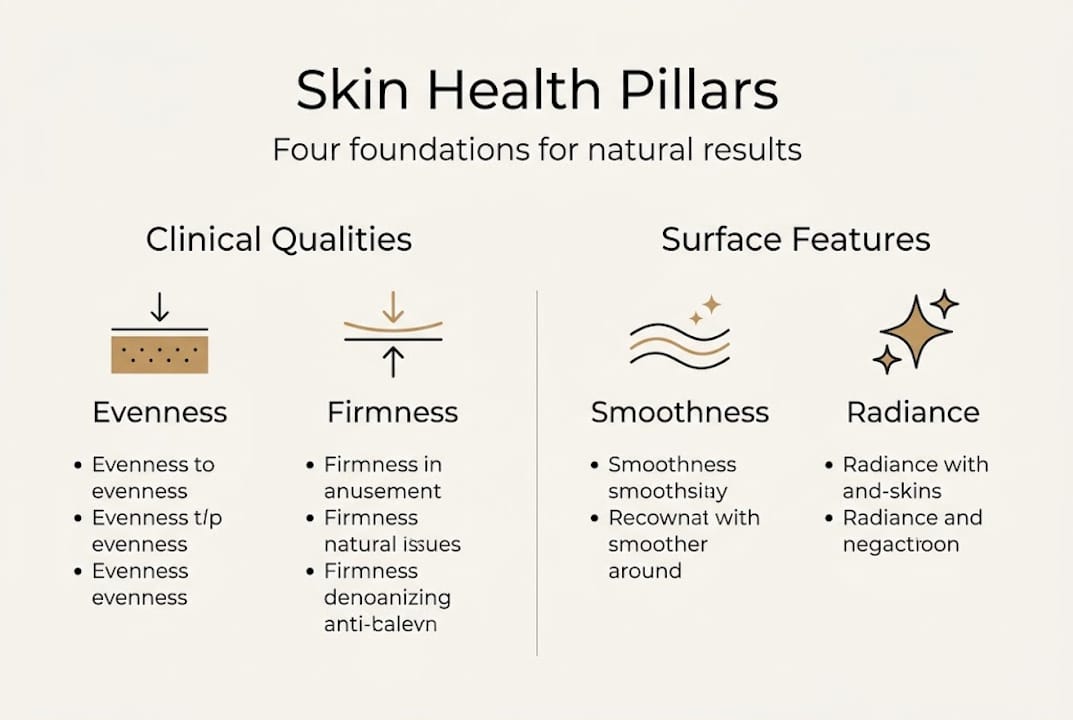
Before choosing treatments or products, it’s worth understanding what healthy skin actually looks like from a clinical perspective. Researchers use a framework built around four key pillars: evenness, tone, firmness, and glow. These are sometimes called EPCs, short for essential parameters of cutaneous quality. Each one reflects a different dimension of how your skin functions and appears.
The four skin health pillars
| Pillar | What it means | Why it matters |
|---|---|---|
| Evenness | Consistent texture, no rough patches | Reflects surface cell turnover |
| Tone | Balanced color, reduced redness or discoloration | Signals vascular and pigment health |
| Firmness | Structural support, reduced laxity | Foundational to a rested appearance |
| Glow | Natural luminosity, healthy hydration | Indicates barrier function and circulation |
According to skin quality research, firmness should be prioritized first because it forms the structural foundation that makes improvements in tone, evenness, and glow more visible and lasting. Think of it this way: brightening a surface that lacks support underneath produces limited results.
Personalization is not optional here. Your skin phototype (how your skin responds to sun exposure), any sensitivities, your overall health, and your lifestyle all shape which treatments and products will work for you. A medically guided skin maintenance approach starts with a thorough health and aesthetic assessment before any treatment is recommended.
Key factors in a personalized skin plan:
- Fitzpatrick phototype (skin tone and sun sensitivity)
- History of sensitivities or reactions
- Current medications or health conditions
- Lifestyle factors such as sun exposure and hydration habits
- Specific aesthetic goals, whether that’s improved texture, reduced pigmentation, or firmer contours
Pro Tip: Before investing in customized medical-grade skincare, have a provider assess your skin barrier health first. A compromised barrier can make even well-formulated products feel irritating, and treating the barrier first sets everything else up for success.
Essential in-clinic treatments for long-term skin health
Once you know which aspects of skin quality to target, you can select the in-clinic treatments best matched to your goals. The good news is that modern non-surgical options are precise, well-tolerated, and designed for minimal disruption to your daily routine.
Research confirms that non-surgical treatments including Hydrafacial, chemical peels, microneedling, IPL (intense pulsed light), radiofrequency (RF), Botox for fine lines, and PRP (platelet-rich plasma) for glow each address specific skin quality pillars, with optimal results typically achieved over 3 to 6 sessions and minimal downtime.
How key treatments compare:
| Treatment | Primary benefit | Sessions needed | Downtime |
|---|---|---|---|
| Hydrafacial | Hydration, glow, pore clarity | 1 per month | None |
| Chemical peel | Evenness, tone, texture | 3-6 | 2-7 days |
| Microneedling | Firmness, collagen stimulation | 3-6 | 1-3 days |
| IPL | Pigmentation, tone | 3-5 | Minimal |
| RF (radiofrequency) | Firmness, tightening | 3-6 | None to minimal |
| Botox | Fine lines, subtle lift | 1 (every 3-4 months) | None |
| PRP | Glow, regeneration | 3 | 1-2 days |
Combination approaches consistently outperform single-modality treatments. Pairing microneedling with PRP, for example, amplifies collagen stimulation while supporting skin regeneration at the same time. Layering RF with topical actives addresses both structural firmness and surface quality together.
A practical treatment sequence for most clients:
- Start with a Hydrafacial to assess skin baseline and support barrier health
- Introduce chemical peels or IPL to address tone and evenness
- Add microneedling benefits to build firmness and collagen over time
- Incorporate RF or Botox as needed for structural support
- Use PRP as an enhancement layer for luminosity and recovery
Explore safe skin treatments for natural results and the role of Hydrafacial and peels in a well-paced treatment plan.
Pro Tip: Resist the urge to stack multiple aggressive treatments in one session. Spacing them out allows your skin to respond fully and reduces the risk of barrier disruption or prolonged redness.
Pre- and post-treatment skin care routines that maximize benefits
Having chosen your treatments, preparation and aftercare are just as critical as the procedures themselves for getting natural, trouble-free results. What you do in the two weeks before and the days after a treatment shapes how your skin heals and how long results last.
Pre-treatment preparation (2 weeks before):
- Apply a gentle moisturizer morning and night to strengthen your skin barrier
- Introduce antioxidants such as vitamin C serum to reduce oxidative stress before treatment
- Add niacinamide to calm inflammation and support even tone
- Avoid aggressive exfoliants or new actives that could sensitize your skin
- Wear broad-spectrum SPF 30 or higher daily without exception
Periprocedural care for energy devices confirms that this two-week preparation window using moisturizers, antioxidants, and niacinamide meaningfully reduces irritation and supports faster recovery after energy-based and resurfacing treatments. The protocol is also stratified by the level of barrier disruption expected, meaning deeper treatments like medium-depth peels or aggressive microneedling require more intensive preparation.
“Build tolerance gradually; prioritize barrier health.” Research also shows that multimodal combinations of topicals and devices outperform single-modality approaches, and lifestyle factors like hydration and avoiding smoking amplify results considerably.
Post-treatment recovery essentials:
- Use a fragrance-free, gentle cleanser for at least one week
- Apply ceramide-rich moisturizers to support barrier repair
- Avoid active ingredients like retinoids or acids until skin is fully settled
- SPF is non-negotiable, every single day, regardless of weather
Pro Tip: Explore real-world treatment examples to see how preparation and aftercare translate into actual outcomes. The difference between a smooth recovery and unnecessary irritation often comes down to these simple pre- and post-care steps. Review safe pre- and post-care guidance before your first appointment.
Special considerations: Skin types, sensitivities, and safety
Not every skin responds the same way. Adapting your treatment plan to your specific skin type and circumstances is not just a preference. It is a safety requirement.
Darker skin tones carry a higher risk of post-inflammatory hyperpigmentation (PIH), which is darkening of the skin that can occur after peels, lasers, or any treatment that creates controlled injury. Research on edge cases in skin treatment confirms that darker tones require lower treatment strengths, pre-treatment with hydroquinone or other brightening agents, and careful selection of device settings to reduce PIH risk without compromising results.
Key safety adjustments by skin profile:
- Darker skin tones: Use lower peel concentrations, avoid high-heat laser settings, pre-treat with brightening agents for 4 to 6 weeks
- Sensitive skin: Start with the gentlest actives, patch test every new product or treatment, and allow longer recovery windows between sessions
- Rosacea-prone skin: Avoid aggressive exfoliation, favor calming treatments like low-level light therapy or gentle RF
- Pregnancy: Avoid retinoids entirely, limit chemical exfoliants, and consult your provider before any in-clinic treatment
Personalization and patch testing are not optional extras. They are the foundation of safe, effective skin care for anyone with a non-standard skin profile.
For those with sensitivities or complex skin histories, the path forward is simply slower and more measured. That is not a limitation. It is the approach that produces the most believable, lasting results. Working with a provider who builds individualized treatment plans ensures that your specific risk factors are accounted for at every step, not discovered after the fact.
A reality check: What most guides won’t clarify about non-surgical skin maintenance
Now that you know the safe, evidence-based approach, it is worth being direct about what these treatments can and cannot accomplish.
Non-surgical options are genuinely effective for maintenance and subtle enhancement. They improve texture, support firmness, even out tone, and help you look rested. But they are not permanent. Results from most non-surgical treatments last 6 to 18 months before maintenance is needed. For significant structural laxity, surgery remains the more reliable option.
The term “prejuvenation” gets used heavily in aesthetic marketing to suggest that early intervention prevents aging entirely. The reality is more nuanced. Starting a medically guided routine in your 30s does support better long-term skin health. But the data supporting dramatic preventive outcomes from non-surgical treatments is still limited. What works is consistency, realistic expectations, and a long-term strategy built around proven treatments rather than trending ones. The most effective approach is not the most aggressive one. It is the most sustained one.
Next steps: Achieve and sustain your best skin naturally in North Raleigh
If you’re ready to make a subtle, lasting change confidently and safely, expert guidance matters. Evidence-based, non-surgical skin maintenance works best when it is planned carefully, paced thoughtfully, and adjusted to your specific skin profile.
At The Aesthetics Lounge and Spa Raleigh, we guide clients through exactly this kind of measured, medically informed process. Whether you are exploring leading non-surgical treatments for the first time or refining an existing routine, we start with your goals, your skin, and your comfort. Browse natural-looking facial enhancements to see what refined results actually look like, or review our full treatment menu to find the right starting point. Your skin deserves a plan, not just a product.
Frequently asked questions
How often should I get non-surgical skin treatments for best results?
Most protocols recommend 3 to 6 sessions spaced a few weeks apart, with ongoing maintenance every 6 to 12 months thereafter. Consistency matters more than intensity.
Are treatments like microneedling and peels safe for all skin tones?
Microneedling is generally safe across skin tones, but peels and lasers require customized protocols for darker tones to reduce pigmentation risks. Always work with a provider experienced in treating your specific phototype.
What’s the best way to prepare for energy-based skin treatments?
Prep your skin for two weeks with moisturizers, antioxidants, and niacinamide for optimal results and minimal irritation. Avoid introducing new actives or aggressive exfoliants during this window.
Is it safe to pursue skin maintenance treatments during pregnancy?
Some treatments and ingredients, including retinoids, should be avoided during pregnancy. Always consult with a qualified provider before starting or continuing any aesthetic treatment while pregnant.