
Choosing the right aesthetic treatment in Raleigh can feel overwhelming when you want natural results that preserve your skin’s health. You’re looking for options that enhance without overdoing it, guided by medical expertise rather than trends. This article walks through the most effective non-surgical treatments available locally, helping you understand what works, why it matters, and how to make informed decisions that align with your goals. Whether you’re considering microneedling, laser therapies, or subtle injectables, you’ll find practical insights to guide your next step.
Table of Contents
- Key takeaways
- How to evaluate and choose aesthetic treatments
- Microneedling and needle mesotherapy: collagen and hydration boosters
- Laser and intense pulsed light (IPL) therapies for skin tone and texture
- Other popular non-surgical treatments for natural results
- Discover medically guided aesthetic treatments in Raleigh
- Frequently asked questions
Key Takeaways
| Point | Details |
|---|---|
| Medically guided care | Medical oversight improves safety and tailors treatments to your skin. |
| Non surgical treatments | Non surgical approaches can deliver natural improvements in texture, tone, and firmness when tailored. |
| Microneedling benefits | Compared to needle mesotherapy, microneedling offers deeper stimulation for hydration and collagen production. |
| Skin type matters | Darker skin tones require specialized laser and IPL protocols to avoid pigmentation changes. |
| Tailored treatment plan | A personalized plan balances visible results with minimal side effects and reasonable timelines. |
How to evaluate and choose aesthetic treatments
Selecting the right treatment starts with clarity about your goals. Are you targeting fine lines, uneven texture, dehydration, or loss of firmness? Each concern responds differently to various modalities, so defining your priorities helps narrow options quickly. Consider whether you want preventive care to maintain current skin health or corrective treatments to address existing concerns.
Your skin type plays a crucial role in treatment selection. Reactive skin, rosacea-prone complexions, or dehydrated tissue may not tolerate aggressive approaches well. Darker skin tones require specialized protocols for laser and light-based therapies to avoid pigmentation changes. Medically supervised providers assess these factors during consultation, ensuring treatments match your physiology rather than following one-size-fits-all protocols.
Pro Tip: Schedule consultations with providers who prioritize education over sales pressure. The best aesthetic partners explain why certain treatments fit your needs and which ones don’t, helping you build a long-term strategy rather than chasing quick fixes.
Medical oversight transforms aesthetic care from cosmetic service to health-focused practice. Providers with medical training understand skin anatomy, wound healing, and how treatments interact with medications or health conditions. This expertise reduces complications and improves outcomes, especially when combining multiple modalities or treating complex concerns.
Natural results come from restraint and precision. Overcorrection happens when providers ignore facial anatomy or apply treatments too aggressively. The goal is enhancement that respects your features, allowing natural movement and expression while improving skin quality. This philosophy guides every decision, from product selection to treatment frequency, ensuring you look refreshed rather than altered.
Key evaluation criteria include:
- Treatment depth and intensity matched to your skin’s tolerance
- Provider credentials and medical supervision protocols
- Realistic timelines for visible results and maintenance needs
- Compatibility with your skin type, tone, and health history
- Transparent pricing and clear treatment plans
Microneedling and needle mesotherapy: collagen and hydration boosters
Microneedling stands out as one of the most versatile treatments for skin rejuvenation. The process uses fine needles to create controlled micro-injuries in the skin’s surface, triggering your body’s natural healing response. This stimulates collagen and elastin production, the structural proteins that keep skin firm and resilient. Unlike more aggressive procedures, microneedling works with your skin’s biology rather than forcing dramatic changes.
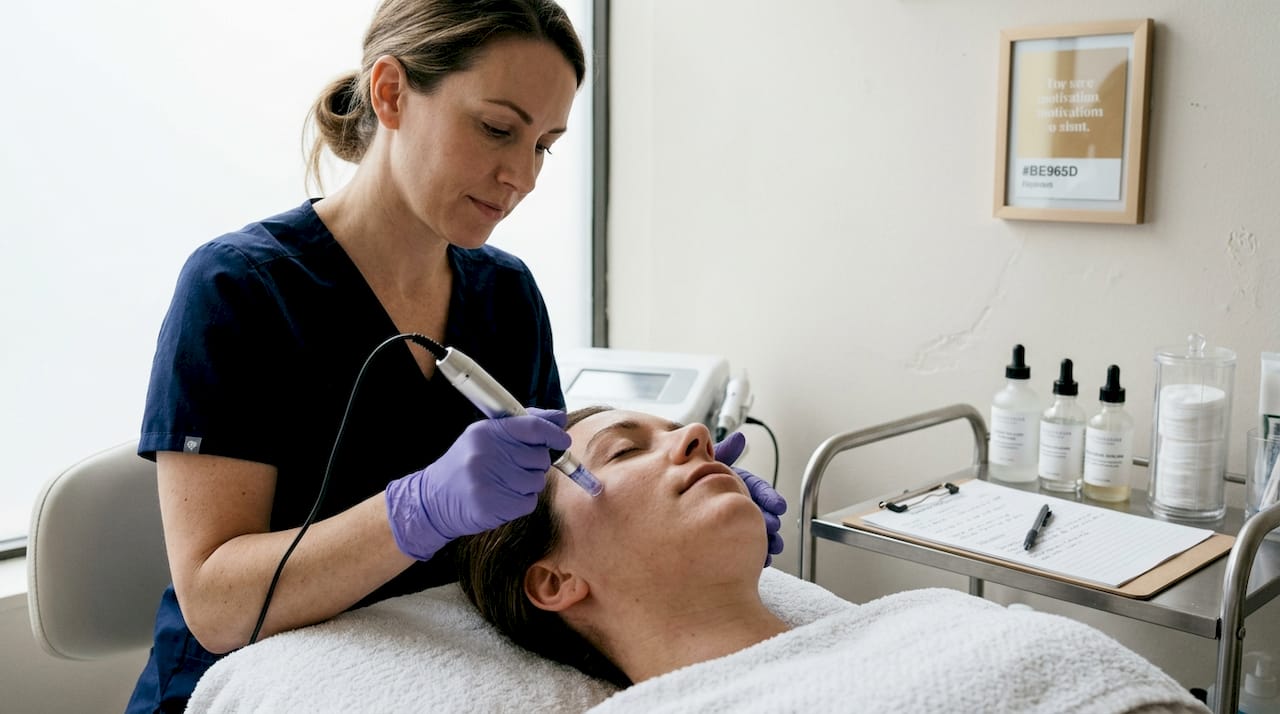
Research shows microneedling significantly improves hydration and skin markers compared to needle mesotherapy. While both treatments use needles, microneedling creates deeper, more consistent stimulation that translates to better collagen renewal. The study found microneedling enhanced skin pH balance, reduced trans-epidermal water loss, and improved overall skin quality more effectively than mesotherapy’s surface-level hydration approach.
Needle mesotherapy delivers vitamins, hyaluronic acid, and other hydrating substances directly into the skin through multiple small injections. It provides immediate moisture and plumping effects, making it appealing for quick hydration boosts. However, the collagen stimulation remains minimal compared to microneedling’s mechanical injury response. For those seeking long-term skin improvement rather than temporary hydration, microneedling offers more substantial benefits.
Pro Tip: Combine microneedling with quality topical serums immediately after treatment. The micro-channels created during the procedure enhance product absorption, maximizing results from growth factors, peptides, or hyaluronic acid applied during the session.
Microneedling suits reactive or dehydrated skin particularly well. The controlled injury depth allows customization for sensitive complexions, and the healing process actually strengthens skin barrier function over time. Most clients experience minimal downtime, with redness subsiding within 24 to 48 hours. Results build gradually over several months as collagen remodeling continues, creating natural improvements that don’t look suddenly different.
Ideal candidates for microneedling include those seeking:
- Improved skin texture and reduced fine lines
- Enhanced hydration and barrier function
- Scar reduction and pore refinement
- Natural collagen stimulation without aggressive peels or lasers
- Treatments compatible with most skin types and tones
Understanding how microneedling works helps you set realistic expectations and commit to the recommended treatment series for optimal results.
Laser and intense pulsed light (IPL) therapies for skin tone and texture
Laser and IPL treatments target specific skin concerns using controlled light energy. These technologies address pigmentation irregularities, redness from broken capillaries, sun damage, and uneven texture. The light energy heats targeted chromophores in the skin, breaking down unwanted pigment or stimulating collagen production depending on the wavelength and settings used.
Skin tone significantly impacts laser and IPL safety and effectiveness. Darker complexions require careful parameter adjustment to prevent hyperpigmentation or burns. Fitzpatrick skin types IV through VI contain more melanin, which can absorb laser energy unintentionally if settings aren’t customized properly. This doesn’t mean these treatments are off-limits for darker skin, but it demands experienced providers who understand the nuances of treating higher melanin levels safely.
IPL differs from lasers in its light delivery. While lasers emit a single wavelength for precise targeting, IPL uses broad-spectrum light filtered to address multiple concerns simultaneously. This makes IPL effective for general skin rejuvenation, treating redness and pigmentation together. Lasers offer more focused treatment for specific issues like deep pigment or vascular lesions, with greater precision but potentially more downtime.
Medical oversight becomes critical with light-based therapies. Providers must assess your skin type, medical history, and current medications before treatment. Certain conditions or drugs increase photosensitivity, raising complication risks. A thorough consultation identifies these factors and adjusts protocols accordingly, ensuring safe, effective outcomes.
| Treatment type | Best for | Skin tone considerations | Typical downtime |
|---|---|---|---|
| IPL photo rejuvenation | Overall tone, redness, mild pigmentation | Caution with Fitzpatrick IV-VI | 1-3 days mild redness |
| Fractional laser | Texture, scars, deeper lines | Requires expertise for darker tones | 3-5 days peeling |
| Vascular laser | Broken capillaries, rosacea | Safe for most skin types | Minimal to 1 day |
| Pigment-specific laser | Stubborn dark spots, melasma | High risk for darker skin without proper settings | 1-2 weeks potential darkening before fading |
Exploring laser and IPL therapies with a medically trained provider ensures you receive treatments matched to your skin’s unique characteristics. The goal is subtle, gradual improvement that enhances your natural complexion rather than creating obvious changes.
Key benefits of light-based treatments:
- Reduced pigmentation and more even skin tone
- Minimized redness and visible capillaries
- Stimulated collagen for improved texture
- Non-invasive with manageable recovery periods
- Customizable intensity for different skin concerns
For those interested in gentle rejuvenation, IPL photo rejuvenation offers a balanced approach to addressing multiple signs of aging and sun damage simultaneously.
Other popular non-surgical treatments for natural results
Chemical peels remain a cornerstone of aesthetic skincare, using controlled acid solutions to exfoliate dead cells and stimulate renewal. Peels range from superficial treatments requiring no downtime to deeper options that create more dramatic improvements with longer recovery. The right depth depends on your skin concerns, tolerance, and lifestyle constraints. Superficial peels brighten and refine texture, while medium-depth peels address pigmentation and fine lines more aggressively.
Non-invasive skin tightening technologies use ultrasound or radiofrequency energy to heat deeper skin layers, triggering collagen contraction and new collagen formation. These treatments lift and firm without surgery, making them popular for addressing early signs of laxity. Results develop gradually over several months as collagen remodeling occurs, providing natural-looking improvements without the dramatic change or recovery associated with surgical options.
Injectables including neurotoxins and dermal fillers offer precise enhancements when administered conservatively. Neurotoxins relax muscles that create expression lines, softening wrinkles while preserving natural movement. Fillers restore volume loss or enhance features subtly, with careful placement preventing the overfilled appearance that signals obvious work. The key is respecting facial anatomy and using minimal amounts to achieve balanced results.
Recent research highlights the importance of adjusting injectable volume for GLP-1 users, as these medications can affect facial fat distribution and skin quality. Providers who stay current with such developments tailor treatments to account for medications, health conditions, and individual healing responses, ensuring optimal outcomes for every client.
Popular non-surgical treatment options:
- Chemical peels for exfoliation and texture improvement
- Radiofrequency or ultrasound skin tightening for firmness
- Neurotoxin injections for expression line softening
- Dermal fillers for volume restoration and subtle enhancement
- LED light therapy for inflammation reduction and healing support
- Medical-grade facials combining multiple modalities
Exploring skin tightening treatments reveals options for addressing laxity without surgery, while injectables options demonstrate how precise placement creates natural enhancements.
| Treatment category | Primary benefit | Maintenance frequency | Combines well with |
|---|---|---|---|
| Chemical peels | Exfoliation, renewal | Monthly to quarterly | Microneedling, LED therapy |
| Skin tightening | Firmness, lift | Every 6-12 months | Neurotoxins, fillers |
| Neurotoxins | Expression line softening | Every 3-4 months | Fillers, peels |
| Dermal fillers | Volume, contour | Every 6-18 months depending on product | Neurotoxins, skin tightening |
Viewing examples of natural aesthetic treatments helps you visualize how these modalities work together in comprehensive treatment plans that respect your features while addressing multiple concerns.
Discover medically guided aesthetic treatments in Raleigh
Now that you understand the range of non-surgical options available, finding the right provider becomes your next priority. The Aesthetics Lounge & Spa Raleigh specializes in medically supervised treatments designed for clients who value natural results and long-term skin health. Located conveniently on Six Forks Road in North Raleigh, the practice combines medical expertise with a calm, educational approach that puts decision-making clarity first.
Every treatment plan begins with thorough consultation, assessing your skin type, health history, and aesthetic goals before recommending specific modalities. This personalized approach ensures treatments match your physiology and lifestyle rather than following generic protocols. The focus remains on subtle enhancements that maintain your natural appearance while improving skin quality, firmness, and tone over time.
Exploring aesthetic treatments in Raleigh reveals the full range of options available, while understanding medically led spa benefits clarifies why medical oversight matters for safety and outcomes. Learning how to choose aesthetic treatments naturally empowers you to make informed decisions aligned with your values and goals.
Frequently asked questions
What are the safest non-surgical aesthetic treatments for sensitive skin?
Microneedling typically works well for sensitive or reactive skin types because providers can adjust needle depth and treatment intensity to match your tolerance. The controlled micro-injuries stimulate healing without the harsh chemical exposure of aggressive peels or the heat intensity of some laser treatments. Medical supervision ensures protocols are customized to minimize irritation while maximizing collagen stimulation and skin barrier improvement.
How do microneedling and needle mesotherapy differ in skin rejuvenation?
Microneedling creates deeper collagen stimulation through controlled micro-injuries that trigger your skin’s natural healing response, while needle mesotherapy primarily delivers hydrating substances with minimal collagen impact. Microneedling produces more substantial improvements in skin firmness, texture, and long-term hydration by strengthening the skin’s structure. Mesotherapy offers quick moisture boosts but lacks the regenerative depth that makes microneedling effective for lasting rejuvenation. Understanding how microneedling works helps you appreciate why it delivers superior collagen renewal.
Can aesthetic treatments be customized for darker skin tones?
Yes, experienced providers tailor laser and IPL settings specifically for darker complexions to ensure both safety and effectiveness. Careful parameter adjustment prevents hyperpigmentation and other complications that can occur when treatments aren’t customized for higher melanin levels. Medical supervision becomes especially important for Fitzpatrick skin types IV through VI, as providers must understand how different wavelengths and energy levels interact with melanin to achieve desired results without adverse effects. Exploring laser treatment safety with qualified providers ensures you receive protocols designed for your specific skin characteristics.
How long do results from non-surgical treatments typically last?
Results vary significantly by treatment type and individual factors. Microneedling and chemical peels stimulate ongoing collagen production, with improvements developing over three to six months and lasting six to twelve months before maintenance becomes beneficial. Neurotoxins typically last three to four months, while dermal fillers can last anywhere from six months to two years depending on the product and placement area. Skin tightening treatments using radiofrequency or ultrasound show gradual improvements over several months, with results lasting up to a year or longer. Consistent maintenance and good skincare habits extend results and prevent regression.
What should I expect during recovery from non-surgical aesthetic treatments?
Most non-surgical treatments involve minimal downtime compared to surgical options. Microneedling typically causes redness for 24 to 48 hours, similar to a mild sunburn. Chemical peels may produce flaking or peeling for several days depending on depth. Laser and IPL treatments can cause temporary darkening of pigmented spots before they fade, along with mild swelling or redness lasting one to three days. Injectables may produce minor bruising or swelling at injection sites for a few days. Your provider will give specific aftercare instructions to optimize healing and results while minimizing any temporary side effects.
How do I know which treatment is right for my specific concerns?
A comprehensive consultation with a medically trained provider is essential for matching treatments to your goals. During this assessment, the provider examines your skin type, tone, texture, and specific concerns while discussing your health history and lifestyle factors. They explain which modalities address your priorities most effectively and how treatments can be combined or sequenced for optimal results. This personalized approach considers your tolerance for downtime, budget, and desired timeline, creating a treatment plan that feels manageable and aligned with your expectations rather than overwhelming or generic.