
Facial aging begins subtly in your late 20s and early 30s, often unnoticed until fine lines, volume loss, or texture changes become visible. By then, you might feel behind on prevention. The good news is that medically guided, non-surgical approaches can effectively slow or prevent aging while preserving your natural appearance. This comprehensive guide walks you through the biological causes of facial aging, the preparation you need, actionable prevention strategies combining skincare and treatments, and how to monitor progress. Whether you are in your 30s starting early intervention or your 40s refining your approach, these evidence-based methods will help you maintain healthy, resilient skin for years to come.
Table of Contents
- Understanding Facial Aging: Causes And Biology
- Preparation: What You Need For Effective Facial Aging Prevention
- Execution: Step-By-Step Guide To Preventing Facial Aging Naturally
- Verification: Monitoring Progress And Adjusting Your Facial Aging Prevention Plan
- Explore Medically Guided Facial Aging Prevention In Raleigh, NC
- Frequently Asked Questions
Key takeaways
| Point | Details |
|---|---|
| Understand aging biology | Intrinsic factors like oxidative stress and extrinsic factors like UV exposure drive facial aging. |
| Start early for best results | Prevention in your 30s improves skin resilience and reduces need for invasive treatments later. |
| Combine multiple approaches | Daily skincare, procedural treatments, and lifestyle changes deliver the most effective outcomes. |
| Prioritize sun protection | Consistent broad-spectrum SPF use is foundational to halting visible aging. |
| Seek medical guidance | Personalized, medically led plans ensure safe, natural, and effective results. |
Understanding facial aging: causes and biology
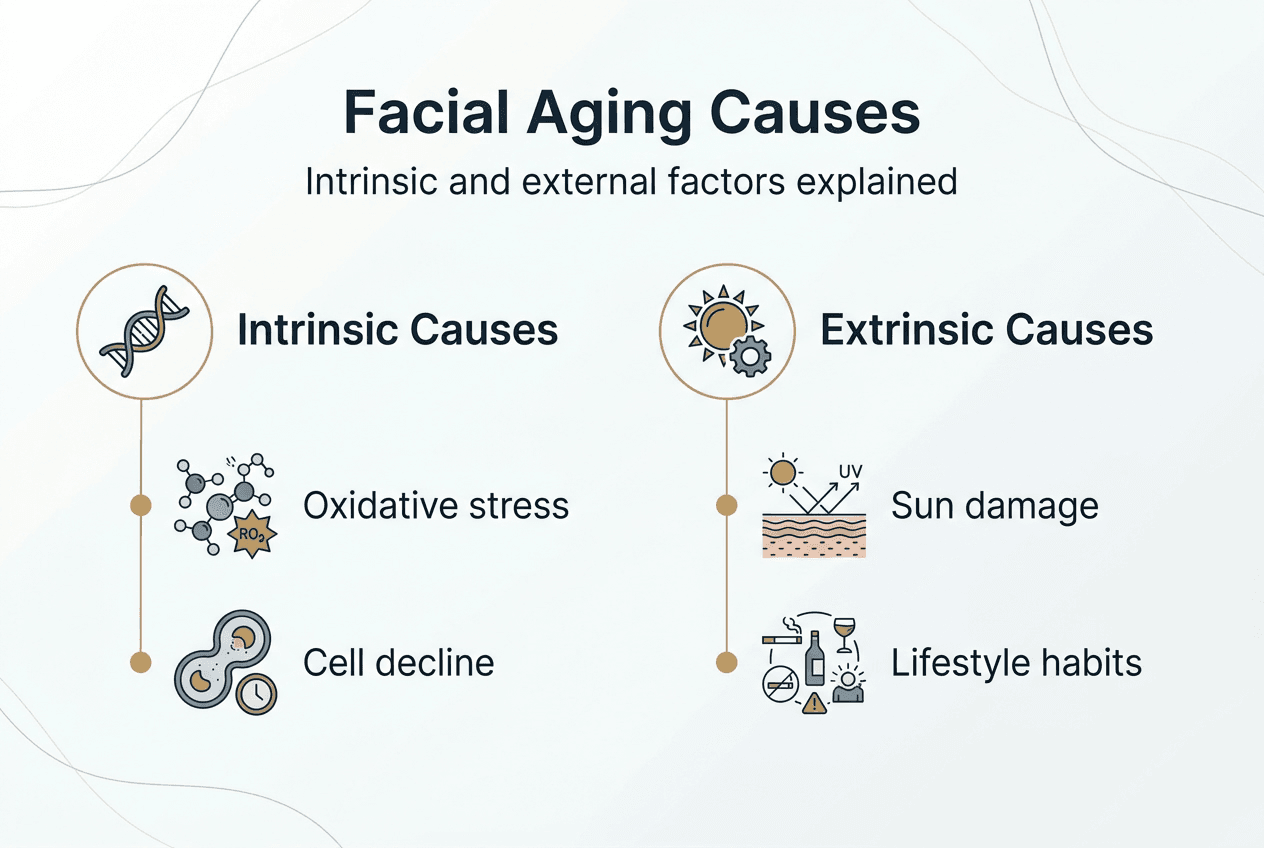
Skin aging is multifactorial, driven by both intrinsic and extrinsic mechanisms. Intrinsic aging involves biological processes like telomere shortening, oxidative stress from free radicals, hormonal decline, and slowed cell turnover. These internal factors are largely genetic and progress gradually over decades. Extrinsic aging, however, accelerates skin deterioration through environmental exposures including UV radiation, pollution, smoking, and poor diet. UV exposure alone accounts for up to 80% of visible facial aging, breaking down collagen and elastin fibers that keep skin firm and smooth.
Genetic and epigenetic variations influence how quickly wrinkles form and how old your face appears. Some people naturally produce more protective antioxidants or repair DNA damage more efficiently, while others are more vulnerable to environmental insults. Epigenetic changes, which alter gene expression without changing DNA sequences, accumulate over time and correlate strongly with visible aging markers. Understanding your unique genetic profile can help tailor prevention strategies to your specific needs.
Collagen decline begins in your late 20s, reducing skin firmness and texture. You lose approximately 1% of collagen per year after age 30, leading to sagging, thinning skin, and deeper wrinkles. Muscle changes also affect facial expression over time, as repetitive movements create dynamic lines that eventually become static wrinkles. Fat compartments shift and diminish, causing volume loss in cheeks and temples while fat may accumulate under the chin or around the jawline.
Understanding both intrinsic and extrinsic aging factors allows you to address the root causes of facial aging, not just the symptoms. This knowledge empowers you to choose prevention strategies that work with your biology, not against it.
Recognizing these causes early helps you tailor prevention and treatment strategies effectively. By addressing both internal biological processes and external environmental damage, you can slow visible aging and maintain a natural, youthful appearance. The facial rejuvenation process natural results approach focuses on supporting your skin’s natural resilience rather than masking aging signs.
Preparation: what you need for effective facial aging prevention
Healthy, resilient skin is your strongest defense against facial aging. Building this foundation requires essential daily skincare products, medical-grade topical agents, and lifestyle adjustments. Start with a broad-spectrum sunscreen of at least SPF 15, applied every morning regardless of weather or season. Pair this with antioxidants like vitamin C or E to neutralize free radicals, retinoids to accelerate cell turnover and collagen production, and moisturizers to support the skin barrier and hydration.
Medical-grade topical agents offer superior efficacy compared to over-the-counter products. Ingredients like Acetyl Dipeptide-31 Amide show promising results in pre-aging prevention by stimulating collagen synthesis and improving skin texture. Niacinamide reduces inflammation and enhances barrier function, while peptides signal skin cells to produce more structural proteins. These active ingredients penetrate deeper and work more efficiently when formulated at clinical concentrations.
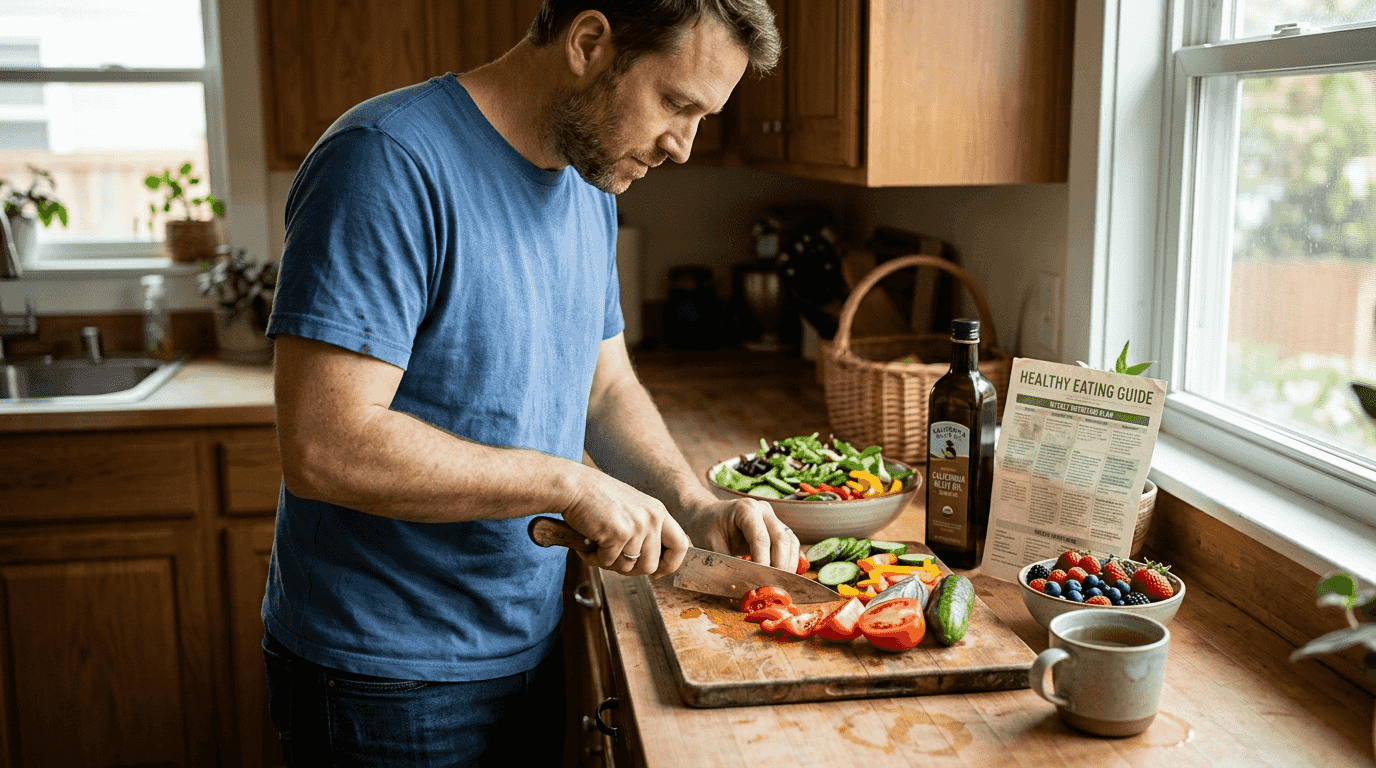
Lifestyle factors play a critical role in skin health and aging prevention. A balanced diet rich in omega-3 fatty acids, vitamins A, C, and E, and polyphenols supports collagen production and reduces oxidative stress. Hydration maintains skin plumpness and elasticity, so aim for at least eight glasses of water daily. Avoiding smoking and minimizing pollution exposure protect against environmental damage that accelerates aging. Stress management through sleep, exercise, and relaxation techniques reduces cortisol levels, which otherwise break down collagen and impair skin repair.
Medical consultations help identify your skin type, biological age, and personalized needs. A trained professional can assess your unique aging patterns, recommend appropriate treatments, and monitor progress over time. This personalized approach ensures you invest in strategies that work for your specific biology and lifestyle. Explore aesthetics & skincare treatments and skin tightening procedures to understand available options.
| Preparation Category | Recommended Tools and Products | Purpose |
|---|---|---|
| Daily Skincare | Broad-spectrum SPF 15+, antioxidants, retinoids, moisturizers | Prevent UV damage, neutralize free radicals, boost collagen |
| Medical-Grade Topicals | Acetyl Dipeptide-31 Amide, niacinamide, peptides | Stimulate collagen, improve texture, enhance barrier |
| Lifestyle Adjustments | Balanced diet, hydration, no smoking, stress management | Support skin health, reduce oxidative stress |
| Professional Guidance | Medical consultation, skin assessment | Personalize treatment, monitor progress |
Pro Tip: Consistent sunscreen use of at least SPF 15 can halt visible aging effectively over years, making it the single most impactful prevention step you can take.
Execution: step-by-step guide to preventing facial aging naturally
Preventing facial aging requires a multi-pronged approach combining daily habits, topical treatments, and procedural interventions. Follow these steps to build a comprehensive prevention plan that delivers natural, lasting results.
-
Apply broad-spectrum SPF 15+ sunscreen every morning to prevent UV damage. UV radiation is the primary extrinsic cause of facial aging, so daily sun protection is non-negotiable. Choose a formula that suits your skin type, whether lightweight for oily skin or hydrating for dry skin, and reapply every two hours if you are outdoors.
-
Use topical agents with proven efficacy including retinoids, niacinamide, antioxidants, and Acetyl Dipeptide-31 Amide. Retinoids accelerate cell turnover and stimulate collagen production, reducing fine lines and improving texture. Niacinamide strengthens the skin barrier and reduces inflammation. Antioxidants like vitamin C neutralize free radicals that damage collagen and elastin. Acetyl Dipeptide-31 Amide signals skin cells to produce more structural proteins, supporting firmness and elasticity.
-
Incorporate procedural options like microneedling, LED red light therapy, and laser treatments to stimulate collagen remodeling. Procedural treatments support deeper skin repair and regeneration that topical products alone cannot achieve. Microneedling creates controlled micro-injuries that trigger collagen production and improve product absorption. Red light therapy reduces wrinkles by 35% by stimulating cellular energy production and collagen synthesis. Laser treatments resurface skin, remove damaged layers, and promote new collagen growth. Explore laser and light therapy treatments, injectable aesthetic treatments, and microneedling for collagen renewal to understand how these options work.
-
Adopt healthy habits including hydration, balanced diet, avoiding smoking and pollution, and stress management. Drink at least eight glasses of water daily to maintain skin plumpness. Eat foods rich in antioxidants, omega-3 fatty acids, and vitamins to support collagen production and reduce inflammation. Avoid smoking, which constricts blood vessels and depletes oxygen and nutrients from skin cells. Minimize pollution exposure by cleansing thoroughly each evening and using antioxidant serums. Manage stress through adequate sleep, regular exercise, and relaxation techniques to reduce cortisol levels that break down collagen.
| Approach | Methods | Typical Results | Timeline |
|---|---|---|---|
| Topical-Only | SPF, retinoids, antioxidants, moisturizers | Improved texture, reduced fine lines, even tone | 3-6 months |
| Combined Topical and Procedural | Topicals plus microneedling, red light, lasers | Significant wrinkle reduction, collagen boost, firmness | 6-12 months |
Pro Tip: Start prevention in your early 30s for the best long-term impact and fewer invasive treatments later, as early intervention maximizes your skin’s natural resilience.
Verification: monitoring progress and adjusting your facial aging prevention plan
Tracking skin changes helps you measure success and identify when adjustments are needed. Take consistent photos in the same lighting and angles every six to twelve months to document improvements or changes. Use skin hydration meters to measure moisture levels and wrinkle assessment tools to quantify fine lines and texture. These objective measures provide clear feedback on whether your prevention plan is working or needs modification.
Be aware of plateaus or negative effects that indicate the need to adjust treatment frequency or products. If you notice irritation, redness, or peeling, you may be using active ingredients too frequently or at concentrations too high for your skin. Conversely, if you see no improvement after several months, you might need to increase treatment intensity, add procedural options, or switch to more potent formulations. Plateaus are normal as skin adapts to treatments, so periodic adjustments keep progress moving forward.
Consult medical professionals regularly for personalized evaluation and regimen updates. A trained aesthetician or dermatologist can assess your skin’s response to treatments, recommend new approaches, and ensure you are using products safely and effectively. Regular check-ins every six to twelve months allow for proactive adjustments based on your evolving needs and goals. Discover more about choosing aesthetic treatments naturally to make informed decisions.
Key Insight: Accelerated epigenetic aging correlates strongly with visible aging markers and perceived age. Epigenetic clocks like GrimAge can guide proactive intervention by revealing biological age versus chronological age, helping you tailor prevention strategies to your unique aging trajectory.
Common challenges that may require plan adjustments include:
- Skincare inconsistency due to busy schedules or travel
- Sun exposure lapses from outdoor activities or forgetting reapplication
- Inadequate hydration affecting skin plumpness and barrier function
- Stress effects from work, family, or life events impacting cortisol and skin repair
Adjust plans realistically to maintain natural, subtle improvements without chasing unrealistic youth. Prevention is about supporting your skin’s health and resilience over time, not reversing decades of aging overnight. Set achievable goals, celebrate incremental progress, and remember that consistency matters more than perfection. Small, sustainable changes yield better long-term results than aggressive treatments that risk overdone or unnatural outcomes.
Explore medically guided facial aging prevention in Raleigh, NC
Discover personalized, medical-led aesthetics designed to prevent facial aging with natural, subtle results. At The Aesthetics Lounge & Spa in North Raleigh, we combine expert guidance with advanced non-surgical treatments to help you maintain healthy, youthful skin without overdone outcomes. Our approach respects your facial structure, skin health, and natural movement, ensuring you still look like yourself, just more supported.
Choose from expert non-surgical treatments including microneedling, injectables, and laser therapies tailored to your skin’s unique needs. Access premium medical-grade skincare products guided by professionals to maintain skin health daily. Our team provides transparent consultations to build a prevention plan that fits your goals, lifestyle, and timeline. Visit medical-led aesthetics safer natural results to learn more about our philosophy.
Top benefits of medically guided prevention:
- Expert guidance from trained professionals who understand facial anatomy and skin biology
- Customized plans based on your skin type, aging patterns, and personal goals
- Safe procedures performed with medical oversight and precision
- Natural outcomes that enhance your appearance without dramatic changes
Explore aesthetic treatments in Raleigh and medical-grade skincare products to start your prevention journey today.
Frequently asked questions
What age should I start facial aging prevention?
Starting prevention in your early 30s is ideal to maintain collagen and skin firmness longer. Early interventions in the 30s and 40s have been shown to slow visible aging effectively. Beyond your 40s, prevention can still reduce progression but may require combined therapies including procedural treatments alongside topical products. Sunscreen use should begin even earlier, ideally in your 20s, to prevent UV damage that accumulates over decades and becomes visible later.
How effective are non-surgical treatments for facial aging prevention?
Non-surgical options like red light therapy and tretinoin have clinically demonstrated significant wrinkle reduction. Red light therapy can reduce wrinkles by 35%, while tretinoin improves wrinkles by 25% through increased collagen production and cell turnover. Results vary based on consistency, individual skin biology, and how early you start treatment. Combining multiple non-surgical approaches delivers better outcomes than relying on a single method.
What daily habits support facial aging prevention?
Consistent daily sunscreen application is crucial to prevent UV damage, the primary driver of extrinsic aging. Daily SPF 15 use can halt visible aging over several years by protecting collagen and elastin from degradation. A healthy diet rich in antioxidants, omega-3 fatty acids, and vitamins enhances skin resilience and reduces inflammation. Hydration maintains skin plumpness, avoiding smoking prevents vascular damage, and managing stress reduces cortisol levels that break down collagen. Regular use of antioxidants and moisturizers supports the skin barrier and protects against environmental damage.
How do I choose the right treatments for my skin?
Consult medical professionals to assess your skin type, aging signs, lifestyle, and goals. Personalized plans maximize safety and effectiveness while maintaining a natural appearance. A trained aesthetician or dermatologist can recommend treatments based on your unique biology, monitor your progress, and adjust your regimen as needed. Learn more about choosing aesthetic treatments naturally to make informed decisions that align with your values and desired outcomes.