
Many adults in North Carolina worry about looking overdone after aesthetic treatments or facing complications from rushed procedures. Recent data shows that improper treatment pacing increases adverse effects by 40%. This guide teaches you how to plan treatments safely with medical guidance, ensuring natural results and long-term skin health through proper assessment, personalized planning, and strategic pacing.
Table of Contents
- Prerequisites And Medical Evaluation
- Stepwise Personalized Planning
- Treatment Scheduling And Pacing
- Patient Education And Managing Expectations
- Common Mistakes And Troubleshooting
- Expected Results And Timelines
- Alternative Treatments And Tradeoffs
- Explore Medically Guided Aesthetic Treatments In Raleigh, NC
- Frequently Asked Questions
Key Takeaways
| Point | Details |
|---|---|
| Medically guided planning tailored to your facial anatomy improves natural results by 35%. | Personalized assessment respects your unique features and goals. |
| Spacing treatments 4-6 weeks apart reduces side effects by 40%. | Proper intervals allow skin recovery and enhance safety. |
| Thorough medical screening cuts complications by 50%. | Pre-treatment evaluation identifies contraindications early. |
| Avoiding overfilling reduces revision risks by 30%. | Conservative approach prevents unnatural appearance. |
| Alternative treatments offer safer but slower improvements. | Non-invasive options prioritize skin health over speed. |
Prerequisites and Medical Evaluation
Before starting any aesthetic treatment, a comprehensive medical evaluation ensures safety and effectiveness. Your provider needs a complete picture of your health history to identify potential risks and customize your approach.
Pre-treatment screening reduces complications by 50% by catching contraindications early. Your medical history should include:
- Autoimmune disorders like lupus or rheumatoid arthritis that may affect healing
- Known allergies to medications, anesthetics, or injectable components
- Current medications including blood thinners, supplements, and topical prescriptions
- Previous cosmetic procedures and any complications experienced
- Active skin conditions or chronic inflammations
A baseline skin evaluation documents your starting point. Your provider examines skin texture, elasticity, pigmentation, and existing volume loss. This assessment guides treatment selection and helps track improvements over time.
Screening for contraindications prevents adverse events. Active infections, open wounds, or inflammation in treatment areas require resolution before proceeding. Pregnancy, breastfeeding, or certain medical conditions may temporarily exclude you from specific treatments. Honest disclosure protects your safety and ensures optimal outcomes.
Pro Tip: Bring a list of all medications, including over the counter supplements, to your consultation. Some common items like fish oil or aspirin affect treatment safety.
Stepwise Personalized Planning
After medical clearance, personalized planning begins with understanding your unique facial anatomy. Every face has distinct proportions, movement patterns, and aging characteristics that require individualized approaches.
Tailored aesthetic treatment plans improve patient satisfaction by 35% compared to standardized protocols. Your provider should:
- Analyze your facial structure including bone architecture, fat distribution, and muscle activity
- Observe natural facial movement and expressions to preserve authenticity
- Identify specific concerns like volume loss, wrinkles, or texture issues
- Develop incremental treatment steps that respect anatomical boundaries
- Select appropriate modalities matching your goals and lifestyle
Conservative planning prevents overcorrection. Starting with subtle improvements allows adjustments based on your response. You can always add more, but reversing excessive treatment proves difficult and stressful.
Treatment sequencing matters. Address foundational issues like skin health through medically guided skincare steps before adding injectables. Understanding the step-by-step Botox process helps set realistic expectations for neuromodulator treatments.
Key planning elements include:
- Prioritizing areas with highest visual impact
- Scheduling complementary treatments strategically
- Building gradual improvement over multiple sessions
- Planning maintenance intervals for lasting results
Pro Tip: Request before photos from multiple angles during your initial assessment. These images provide objective comparison points and help track subtle changes that you might not notice day to day.
Active participation improves satisfaction. Share your concerns openly and ask questions about each recommended treatment. Understanding how choosing aesthetic treatments naturally aligns with your goals empowers informed decisions. Explore various aesthetic treatments in Raleigh, NC to understand your options.
Treatment Scheduling and Pacing
Proper treatment pacing protects your skin and optimizes results. Rushing procedures increases risks while providing minimal additional benefit.
Spacing aesthetic treatments 4-6 weeks apart reduces adverse effects by 40%. This interval allows complete healing between sessions. Your skin needs time to respond, regenerate collagen, and stabilize before additional intervention.

Gradual build-up prevents overtreatment. Starting conservatively and adding incrementally maintains natural appearance. Excessive initial treatment often requires correction, causing frustration and additional expense.
| Treatment Type | Recommended Interval | Typical Sessions |
|---|---|---|
| Neuromodulators | 12-16 weeks | 3-4 per year |
| Dermal Fillers | 6-12 months | 1-2 per area annually |
| Laser Resurfacing | 4-6 weeks | 3-5 initial series |
| Chemical Peels | 4-6 weeks | 4-6 initial series |
| Microneedling | 4-6 weeks | 3-6 initial series |
Monitoring between sessions enables personalized adjustments. Your provider assesses healing, addresses concerns, and modifies the plan based on your response. Some patients need longer intervals, while others progress faster.
Consistent skincare steps for lasting results between treatments enhances outcomes. Medical-grade products support skin healing and extend treatment benefits.
Pro Tip: Keep a simple treatment journal noting dates, procedures, immediate reactions, and how you feel after two weeks. This record helps identify patterns and guides future planning with your provider.
Patient Education and Managing Expectations
Clear communication builds trust and improves treatment satisfaction. Understanding realistic outcomes prevents disappointment and supports informed consent.
Your provider should discuss:
- Specific risks associated with each recommended treatment
- Realistic timeline for visible improvements
- Expected duration of results before maintenance needed
- Potential side effects and management strategies
- Cost considerations for initial treatment and ongoing maintenance
Realistic expectations prevent dissatisfaction. Aesthetic treatments enhance your natural features but cannot completely transform your appearance or stop aging. Understanding limitations helps appreciate subtle improvements.
Maintenance requirements vary by treatment type. Neuromodulators require regular sessions every three to four months. Fillers last six to eighteen months depending on product and placement. Skin treatments provide cumulative benefits but need periodic refreshers.
The role of medical providers in aesthetics includes ongoing education. Ask questions about aftercare, warning signs requiring immediate attention, and when to schedule follow-up appointments.
Active participation improves outcomes. Provide honest feedback about your comfort level, aesthetic preferences, and any concerns during treatment. Your input guides adjustments and ensures alignment with your goals.
Common Mistakes and Troubleshooting
Avoiding frequent planning errors protects your safety and aesthetic outcomes. Learning from common pitfalls helps you make better decisions.
Inadequate assessment and rushing treatments increase complications by 25%. Skipping thorough initial evaluation leads to inappropriate treatment selection or missed contraindications. Always insist on comprehensive consultation before proceeding.
Rushing treatment cycles causes multiple problems:
- Insufficient healing time between sessions
- Increased inflammation and prolonged recovery
- Higher risk of unnatural appearance from accumulation
- Greater expense from complications or corrections
Avoiding overfilling volumizing fillers reduces revision treatments by 30%. Excessive filler creates an overdone look that requires dissolution or waiting for natural breakdown. Conservative placement preserves facial movement and authenticity.
Monitor your response carefully. Persistent swelling beyond expected timeframes, asymmetry, or unusual symptoms require immediate provider contact. Early intervention addresses complications before they worsen.
Troubleshooting common issues:
- Bruising lasting beyond two weeks may indicate underlying bleeding disorders
- Prolonged redness or warmth suggests possible infection
- Lumps or bumps require evaluation to rule out nodules or granulomas
- Dissatisfaction with results benefits from waiting full treatment duration before adjustments
Expected Results and Timelines
Realistic benchmarks help you evaluate progress and plan effectively. Treatment timelines vary by modality and individual response.
Most patients observe initial improvements after two to three monthly sessions. Skin texture and elasticity respond gradually to regenerative treatments. Immediate results from injectables refine over two weeks as swelling subsides and products integrate.
| Result Type | Timeline | Duration |
|---|---|---|
| Neuromodulator effect | 3-7 days onset, 2 weeks peak | 3-4 months |
| Filler integration | 2 weeks settling | 6-18 months |
| Skin texture improvement | 4-6 weeks cumulative | Ongoing with maintenance |
| Collagen stimulation | 8-12 weeks visible | 6-12 months |
Typical treatment cycles range from three to six sessions depending on your goals and starting condition. Mild concerns may achieve desired improvement in three sessions, while more advanced aging requires extended series.
Average treatment costs in North Carolina vary by modality:
- Neuromodulators: $300 to $600 per area
- Dermal fillers: $600 to $1,200 per syringe
- Laser resurfacing: $500 to $2,500 per session
- Chemical peels: $150 to $600 per session
- Microneedling with PRP: $400 to $800 per session
Signs of successful natural enhancement include subtle improvements that respect your facial structure, maintenance of natural movement and expression, positive feedback noting you look refreshed rather than different, and results lasting six to twelve months with appropriate maintenance.
Alternative Treatments and Tradeoffs
Non-invasive options provide gentler approaches for patients prioritizing skin health over immediate visible changes. Understanding alternatives helps you choose treatments matching your values and timeline.
Microneedling with platelet-rich plasma offers gradual but safer collagen stimulation compared to injectables. This regenerative approach uses your body’s healing factors to improve texture, tone, and firmness over several months.
| Treatment | Speed | Risk Level | Cost | Best For |
|---|---|---|---|---|
| Injectables | Fast (days) | Moderate | Higher per session | Immediate volume/wrinkle correction |
| Microneedling + PRP | Slow (months) | Low | Moderate per session | Overall skin quality improvement |
| Chemical Peels | Moderate (weeks) | Low to moderate | Lower per session | Texture and pigmentation issues |
| Laser Resurfacing | Moderate (weeks) | Moderate | Higher per session | Significant texture concerns |
Patients seeking natural, gradual improvement often prefer regenerative treatments. These modalities enhance your skin’s own repair processes rather than adding foreign substances. Results develop slowly but typically appear more natural.
Injectables provide faster visible correction but require careful technique to avoid overdone appearance. When administered conservatively by experienced providers, they offer predictable improvement with manageable risks.
Your priorities guide treatment selection. If you value speed and dramatic correction, injectables may suit you better. If you prioritize skin health and accept slower progress, regenerative options align with your goals. Many patients combine both approaches strategically.
Explore Medically Guided Aesthetic Treatments in Raleigh, NC
Ready to experience expert care that prioritizes your natural beauty and long-term skin health? The Aesthetics Lounge & Spa in North Raleigh delivers evidence-based aesthetic treatments in Raleigh, NC with medical precision and personalized attention.
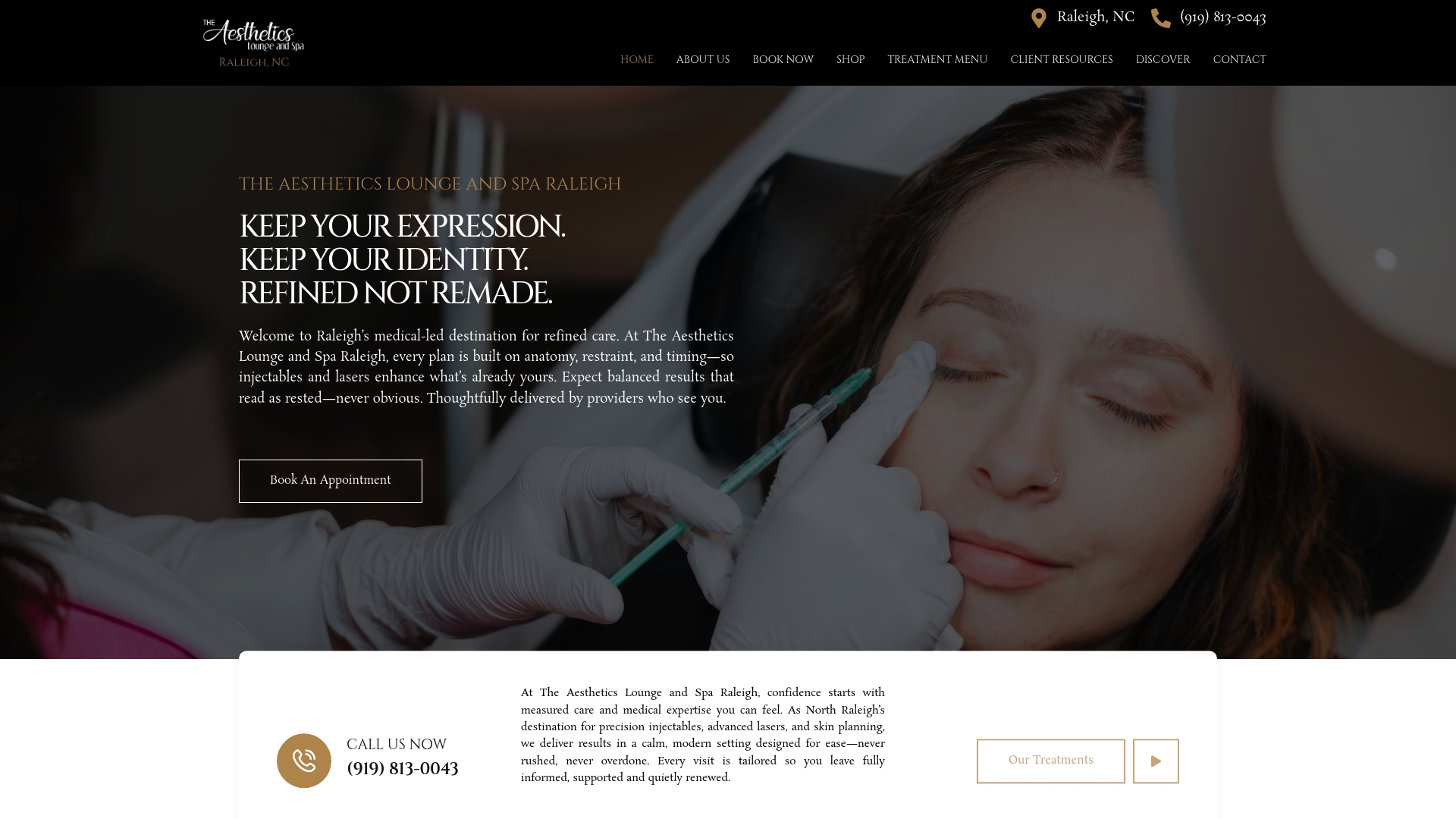
Our boutique practice on Six Forks Road specializes in anatomically sound planning that respects your facial structure and movement. We educate first, treat conservatively, and pace strategically so you look like yourself, just more supported. Discover how to choose aesthetic treatments naturally with guidance from experienced medical professionals who understand the role of medical providers in aesthetics. Schedule your consultation to begin your journey toward refined, lasting results.
Frequently Asked Questions
How long should I wait between aesthetic treatments?
Wait four to six weeks between most aesthetic treatments to allow complete skin healing and reduce adverse effects by 40%. Neuromodulators require longer intervals of twelve to sixteen weeks between sessions. Your provider adjusts timing based on your individual response and treatment type.
Are non-invasive treatments effective for natural results?
Non-invasive treatments like microneedling with PRP effectively improve skin quality through gradual collagen stimulation. Results appear slower than injectables but often look more natural and support long-term skin health. These options suit patients prioritizing safety and authenticity over speed.
What should I disclose during my medical evaluation?
Disclose all medical conditions, medications including supplements, known allergies, previous cosmetic procedures, and current skin concerns. Mention autoimmune disorders, blood thinners, and any history of adverse reactions. Complete disclosure reduces complications by 50% through proper risk assessment.
Can too many filler treatments cause harm?
Excessive filler accumulation creates unnatural appearance, restricts facial movement, and increases revision needs by 30%. Overfilling may cause vascular complications in rare cases. Conservative placement with appropriate intervals maintains natural aesthetics and safety. Always choose providers who prioritize restraint over dramatic correction.
How do I know if my treatment plan is tailored to me?
A personalized plan includes detailed facial assessment, consideration of your unique anatomy and goals, incremental treatment steps, and flexibility for adjustments based on your response. Your provider should explain why specific treatments suit your needs and involve you actively in decision making throughout the process.